Photo Credit: https://www.utk.edu/visit
For anyone considering a move to Knoxville, the University of Tennessee, Knoxville plays an important role in shaping the city.
Often referred to simply as “UT”, the university is the flagship campus of the University of Tennessee system and one of the largest institutions in the state. With tens of thousands of students and thousands of faculty and staff, UT has a significant influence on Knoxville’s economy, housing market, culture, and traffic patterns.
Even if you are not directly connected to the university, understanding its impact can help you better understand the Knoxville area.
A Major Institution in Knoxville
Founded in 1794, the University of Tennessee is one of the oldest public universities in the United States. Today the Knoxville campus enrolls over 40,000 students, making it one of the largest universities in the Southeast.
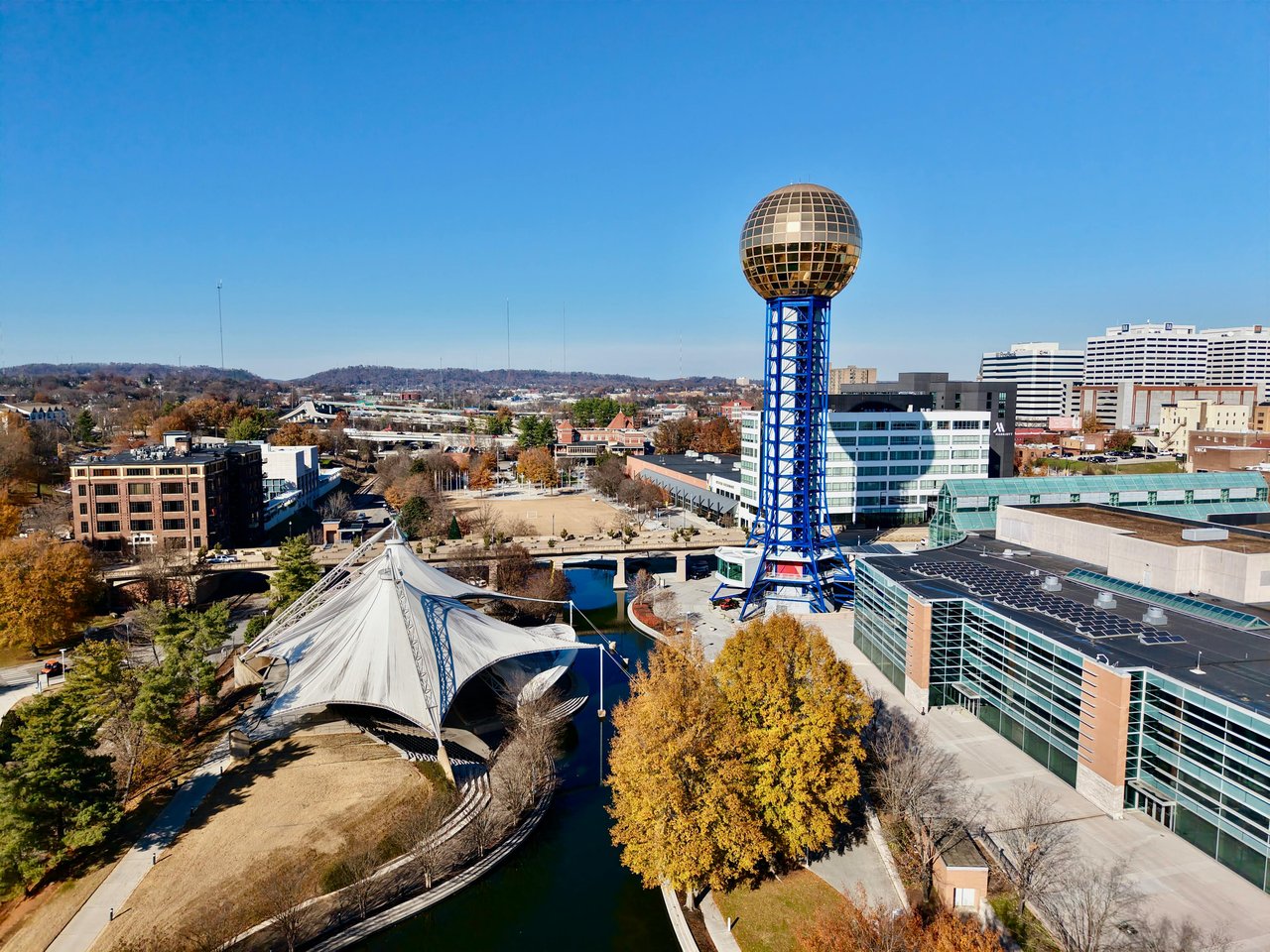
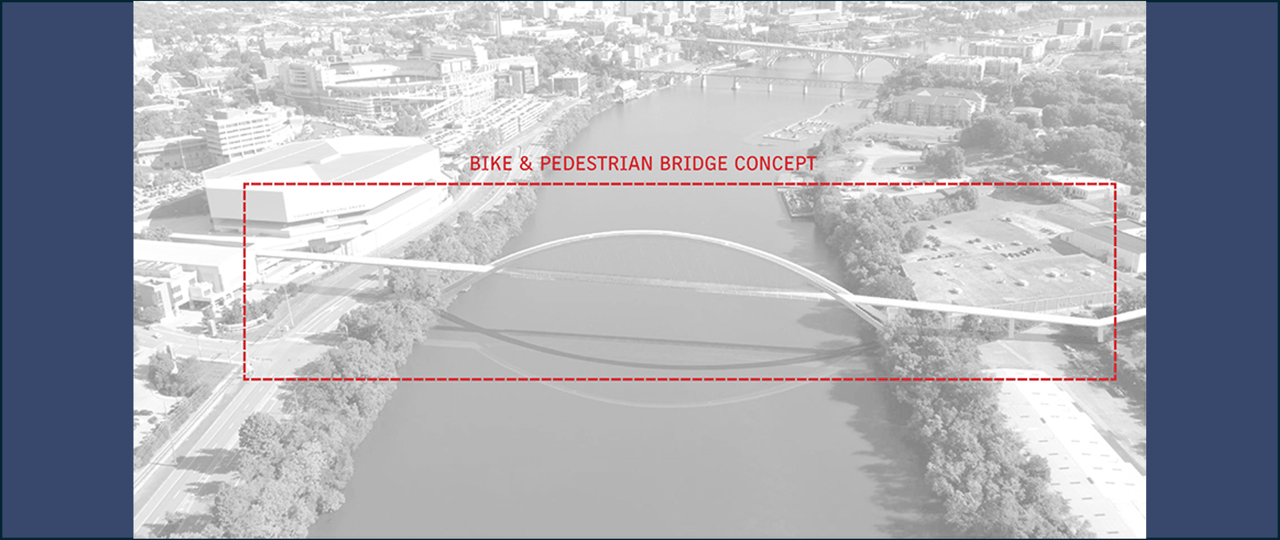
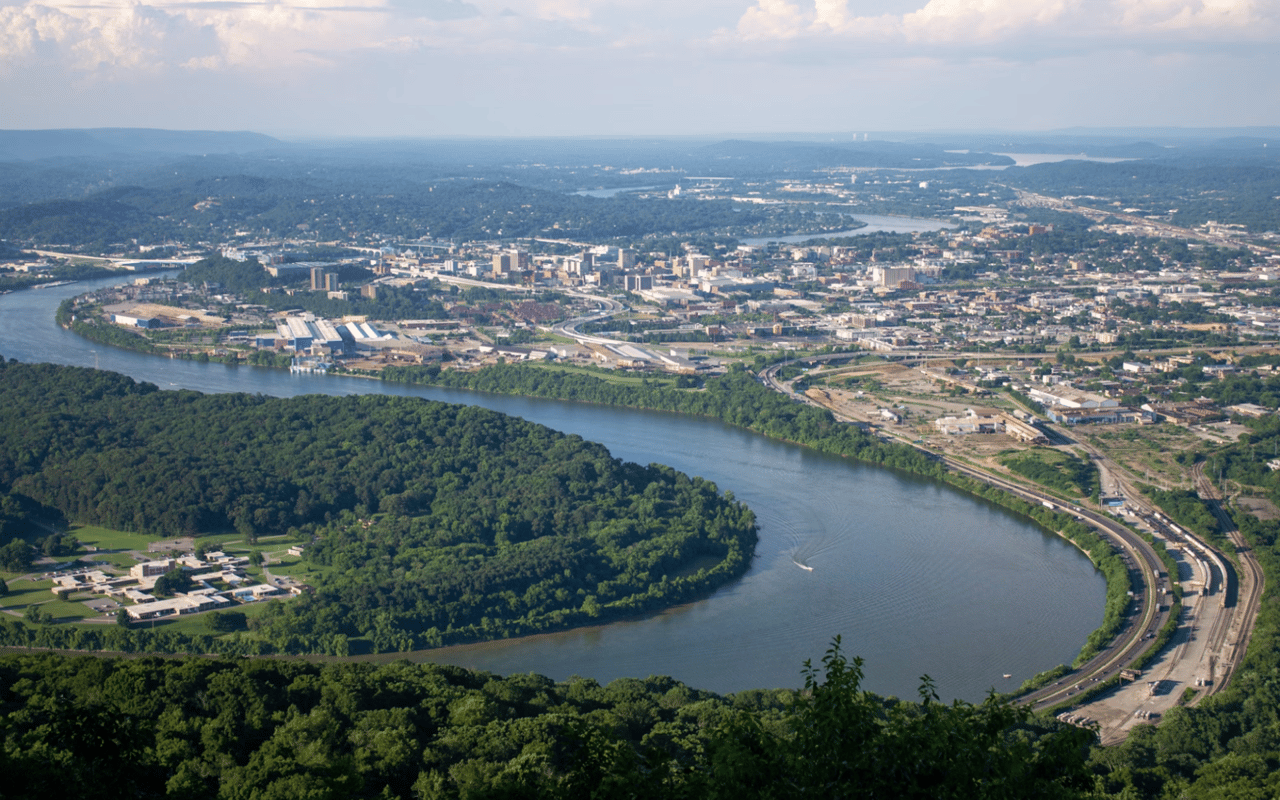
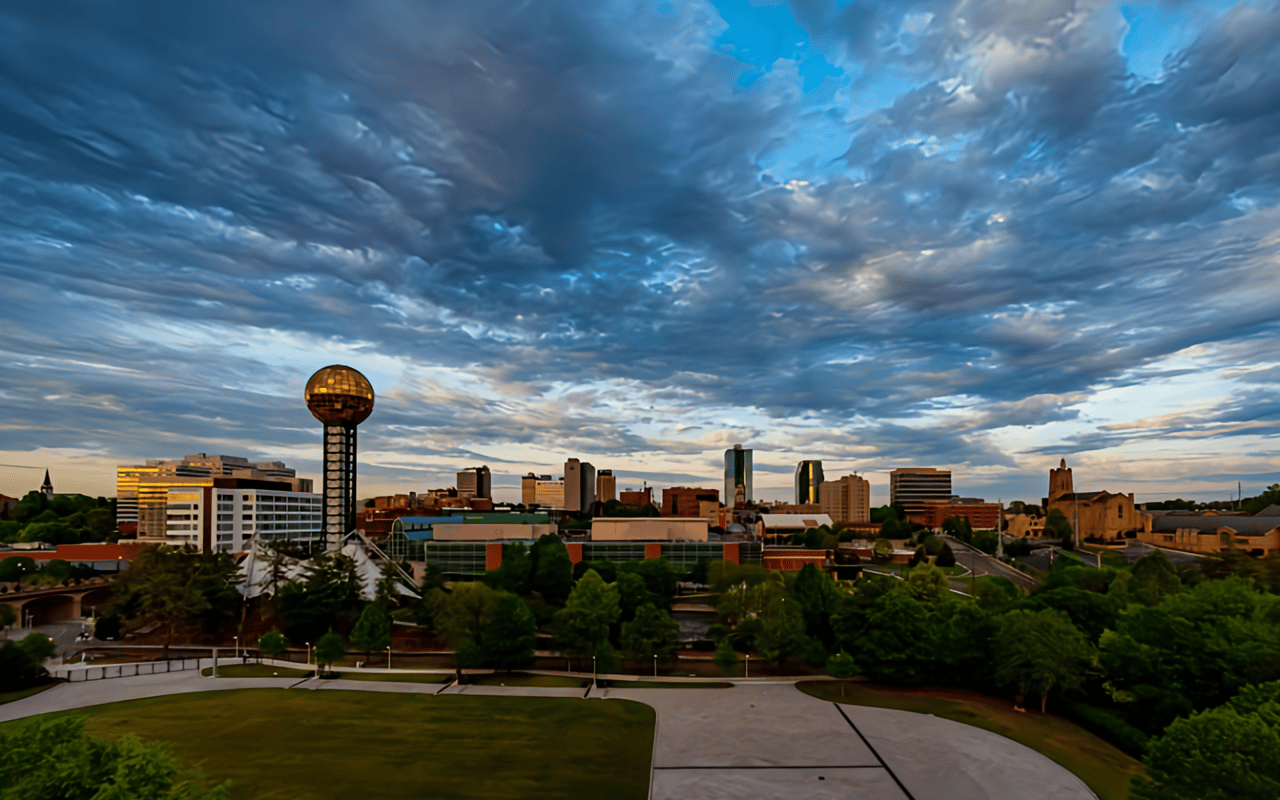
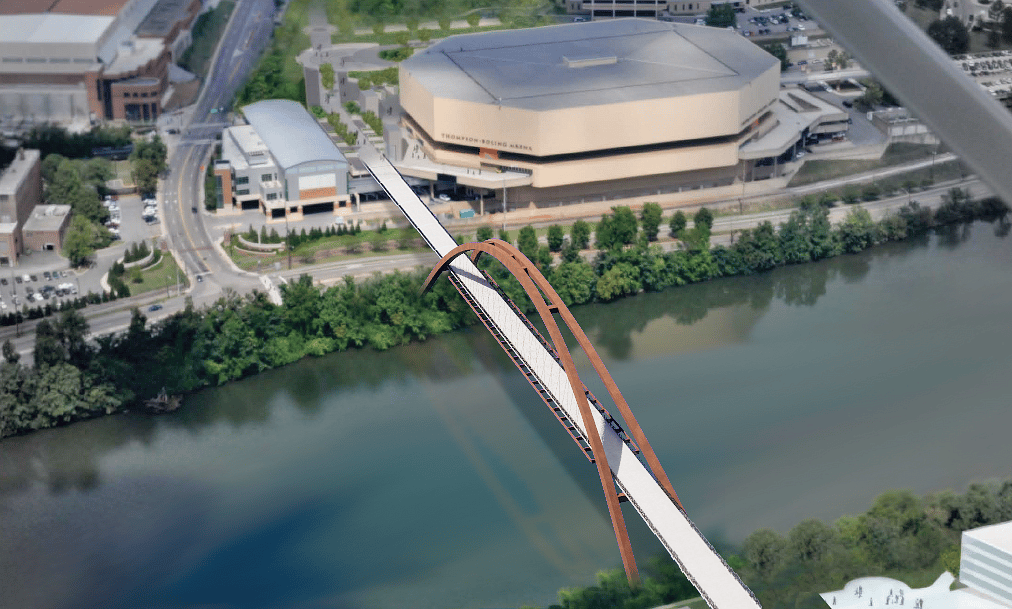
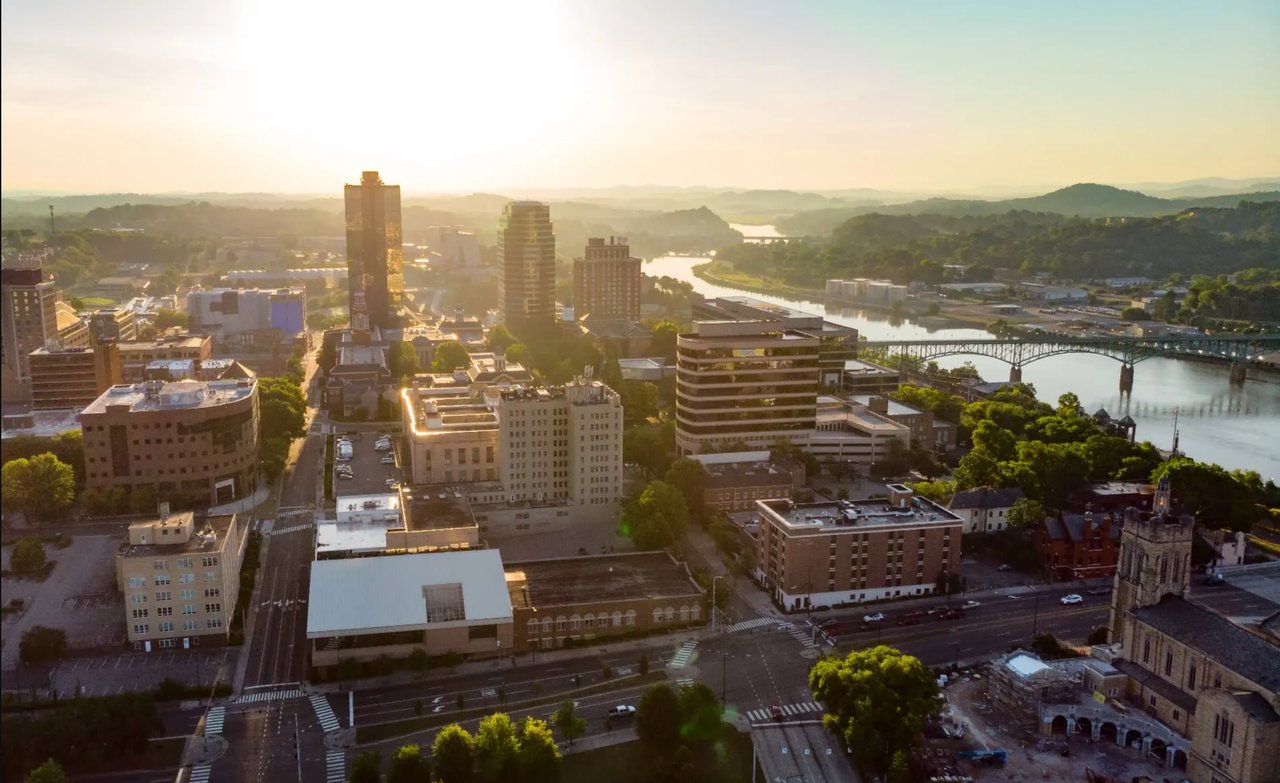
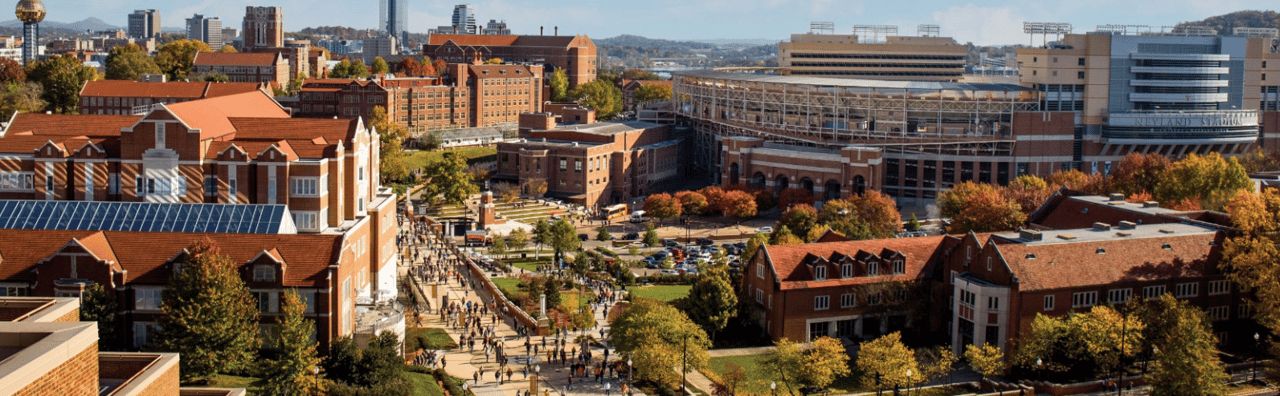
The university sits just west of downtown Knoxville along the Tennessee River and occupies a large campus that includes academic buildings, research facilities, student housing, and major athletic venues.
UT is also one of the largest employers in the region and a major driver of economic activity throughout East Tennessee.
The Role UT Plays in Knoxville’s Economy
Large universities often anchor the economies of their cities, and Knoxville is no exception.
UT contributes to the local economy through:
• employment for faculty, staff, and researchers
• student spending in housing, restaurants, and retail
• research partnerships and innovation initiatives
• sports tourism and major events
Athletic events alone bring tens of thousands of visitors to Knoxville, particularly at Neyland Stadium, one of the largest college football stadiums in the United States.
Restaurants, hotels, and businesses throughout the Knoxville area benefit from the steady flow of students, parents, alumni, and fans visiting campus.
UT Culture and Sports
The University of Tennessee is deeply woven into the identity of Knoxville.
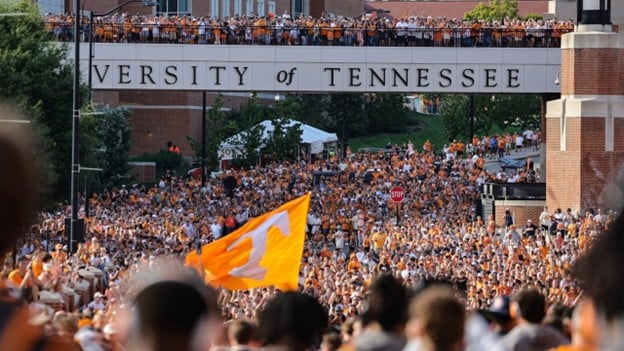
Football Saturdays in the fall are a defining part of life in the city. On game days, downtown Knoxville and the campus area fill with fans wearing Tennessee orange as they gather for tailgating and walk toward Neyland Stadium.
But UT’s athletic tradition extends far beyond football.
The university’s women’s basketball program, led for decades by legendary coach Pat Summitt, helped establish Tennessee as one of the most recognizable programs in college sports history. The Lady Vols won multiple national championships and played a major role in growing the popularity of women’s college basketball nationally.
In recent years, several Tennessee men’s programs have also risen to national prominence. The men’s basketball team advanced to the Elite Eight in the 2026 NCAA Tournament, continuing a stretch of strong tournament performances and national rankings that have kept the program in the spotlight.
UT baseball has also surged into national prominence. The Volunteers captured the 2024 NCAA Division I Baseball National Championship, the first in program history, firmly establishing Tennessee as one of the top baseball programs in the country.
These athletic successes have helped elevate Tennessee’s national visibility while bringing significant energy and tourism to Knoxville throughout the year.
Even residents who are not directly connected to the university often enjoy the energy these events bring to Knoxville.
Beyond sports, UT contributes to Knoxville’s cultural life through:
• performing arts events
• lectures and academic conferences
• museums and exhibitions
• research and innovation programs
The presence of a major university also helps attract young professionals and supports a vibrant downtown environment.
Campus Growth and Expansion
In recent years, the University of Tennessee has experienced significant enrollment growth, which has led to expanded facilities and new campus investments.
The university continues to add academic buildings, student housing, and upgraded research facilities to support its growing student population and expanding programs.
This growth has had ripple effects across Knoxville. As the university expands, demand for nearby housing, restaurants, and services has increased, particularly in neighborhoods close to campus and downtown.
For Knoxville, UT’s continued growth reinforces its role as one of the region’s most important economic and cultural institutions.
Neighborhoods Near the University
The UT campus sits between downtown Knoxville and the neighborhoods of Fort Sanders and the Tennessee River.
Areas closest to campus tend to feature a mix of:
• student housing
• older homes
• apartment communities
• condominium buildings
Neighborhoods immediately surrounding campus are heavily influenced by student life, while other parts of West Knoxville provide quieter residential environments with relatively easy access to the university via major roads like Kingston Pike and Pellissippi Parkway.
Housing Demand Around UT
One of the biggest impacts UT has on the Knoxville real estate market is student housing demand.
The university generally requires most first-year students to live in on-campus residence halls, guaranteeing housing for incoming freshmen.
After freshman year, however, on-campus housing becomes optional and space is limited for returning students. As a result, many sophomores, juniors, and seniors move into off-campus apartments, condos, townhomes, or rental homes around Knoxville.
With more than 40,000 students attending UT, this dynamic creates strong demand for off-campus housing near the university.
Because of that demand, some families choose to purchase property in Knoxville rather than rent while their student attends UT. Homes, condos, and townhouses can sometimes serve as housing during a student’s college years and later be sold or rented.
Common property types considered for student housing include:
• condominiums near campus
• townhomes along routes connecting to UT
• smaller homes within biking distance of campus
Before purchasing property for student housing, buyers should evaluate several factors carefully, including:
• homeowners association fees
• parking availability
• transportation options to campus
• property management needs
• long-term resale potential
Because the market around UT can be competitive, working with a local real estate agent familiar with student housing dynamics can be helpful.
Short-Term Rentals and UT Visitors
Another segment of the Knoxville real estate market connected to UT involves short-term rentals.
The university attracts visitors throughout the year, including:
• parents visiting students
• alumni attending events
• football fans traveling for game weekends
• academic conferences and university programs
Game weekends in particular can create strong demand for lodging.
Because of this, some investors purchase homes, condos, or townhouses to operate as short-term rentals for visitors coming to Knoxville.
Anyone considering this type of investment should carefully research:
• local zoning regulations
• homeowners association rules
• licensing requirements
• property management logistics
Short-term rental regulations can evolve over time, so it’s important to understand the rules before purchasing property for that purpose.
The Bottom Line
The University of Tennessee is one of the defining institutions of Knoxville.
From economic activity to sports culture and housing demand, UT influences many aspects of life in the region. For homebuyers, understanding how the university shapes the local market can provide valuable context when evaluating neighborhoods, investment opportunities, and lifestyle considerations.
If you are considering buying a home in Knoxville or relocating to East Tennessee, working with a knowledgeable local agent can help you understand how these factors apply to your specific situation.
If you’d like to learn more about neighborhoods, housing opportunities near campus, or investment properties in Knoxville, feel free to reach out to our team at Sold With Sinclair.