When buyers evaluate a home, they naturally focus on the property itself. Square footage, finishes, layout, and price tend to dominate the decision process.
But one factor that can shape daily life just as much as the house itself is the design of the neighborhood surrounding it.
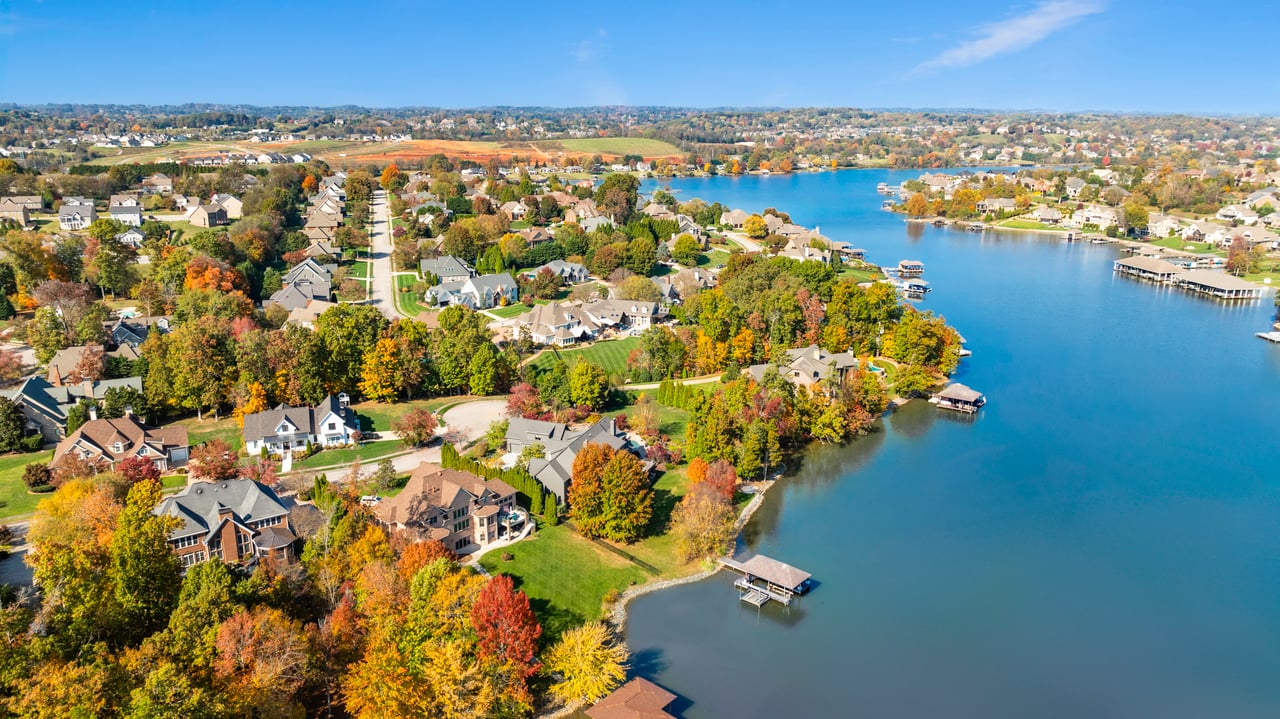
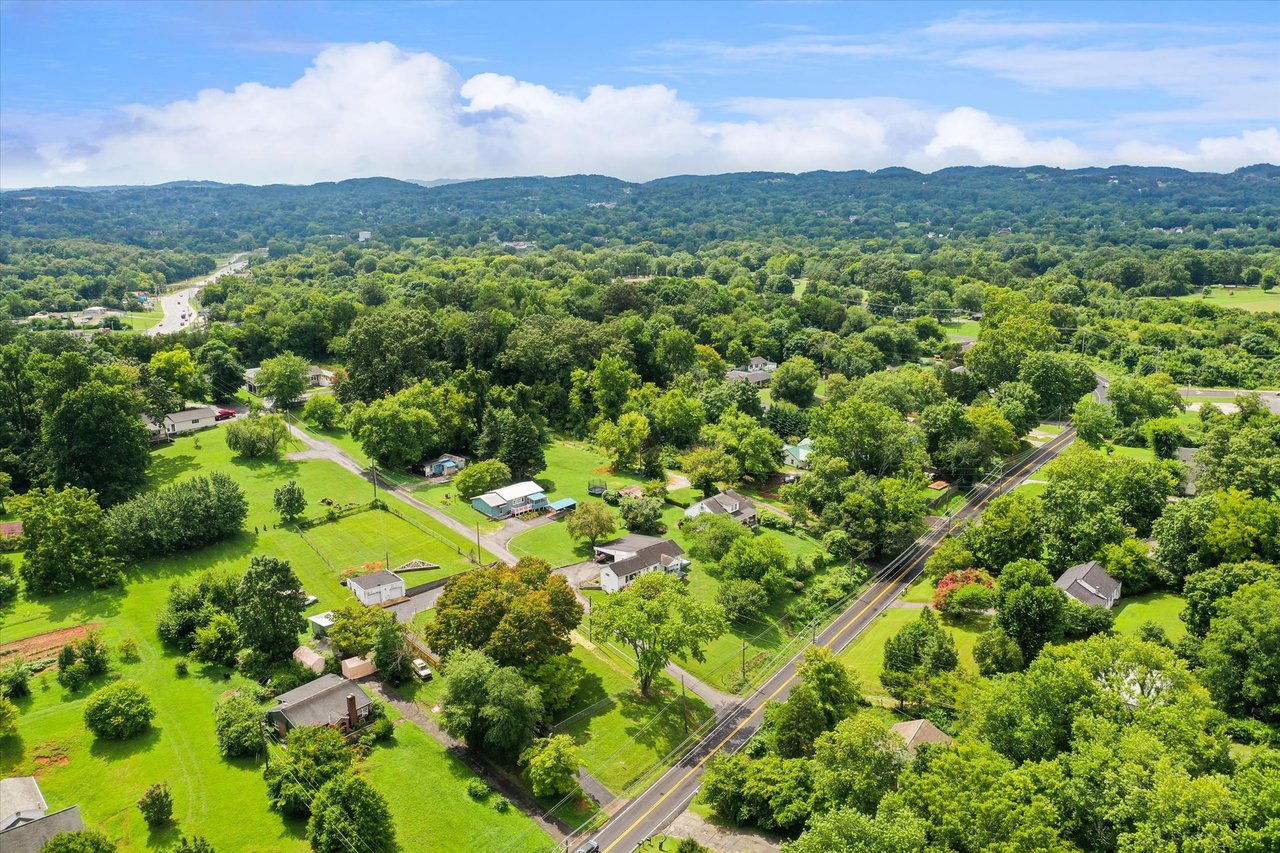
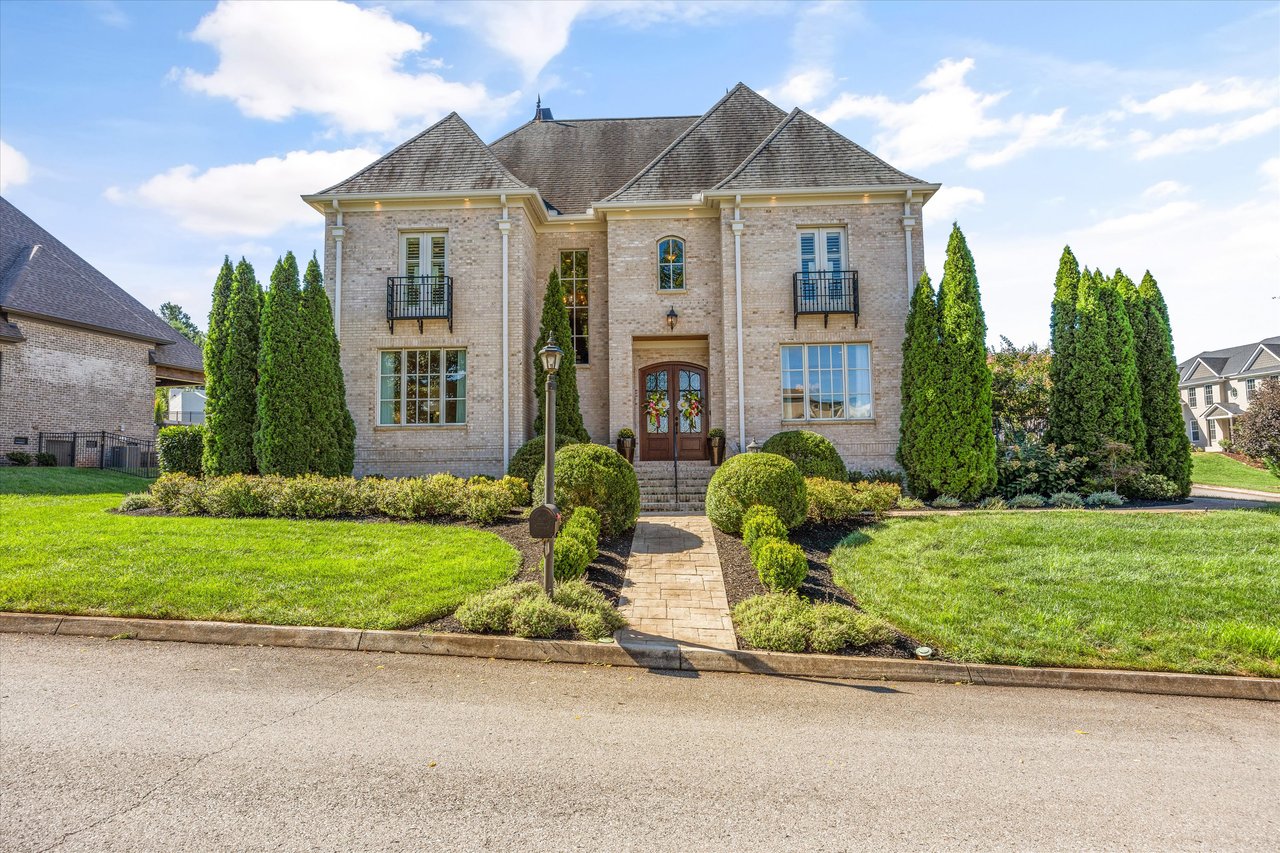
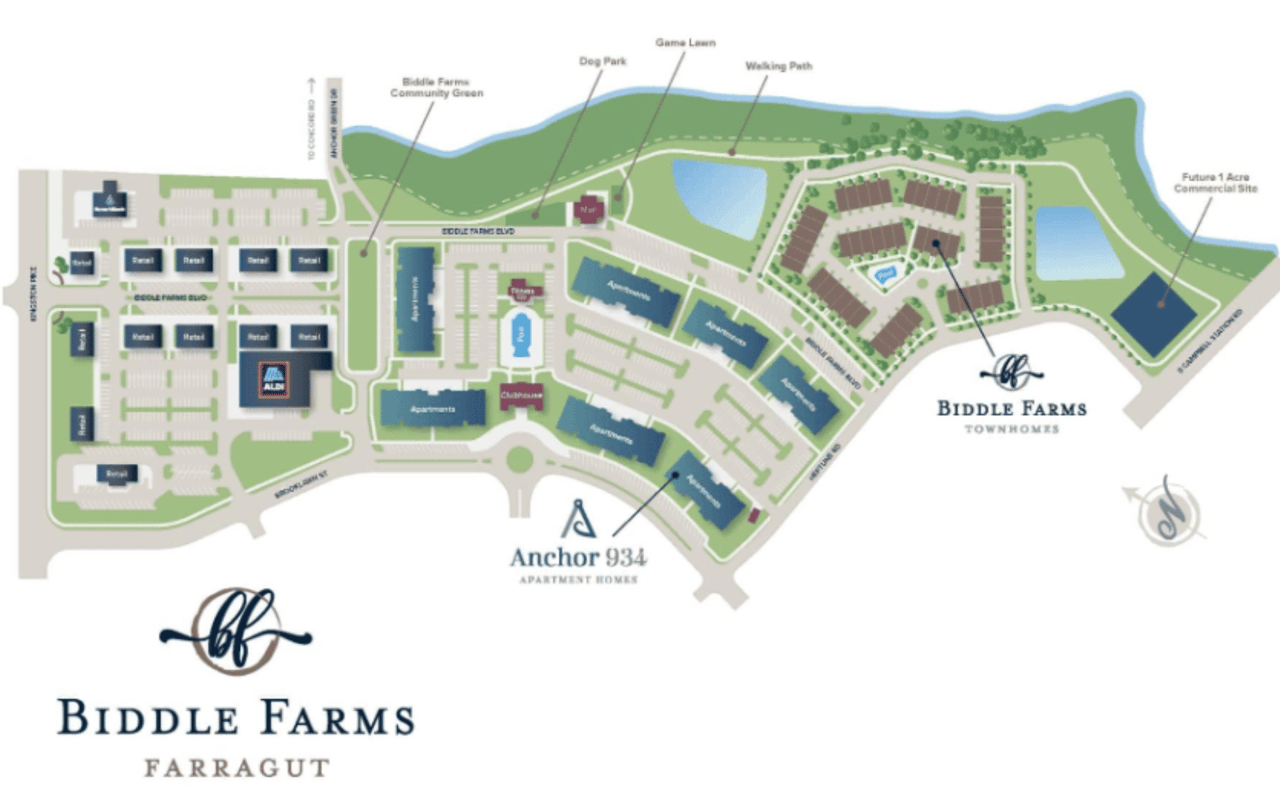
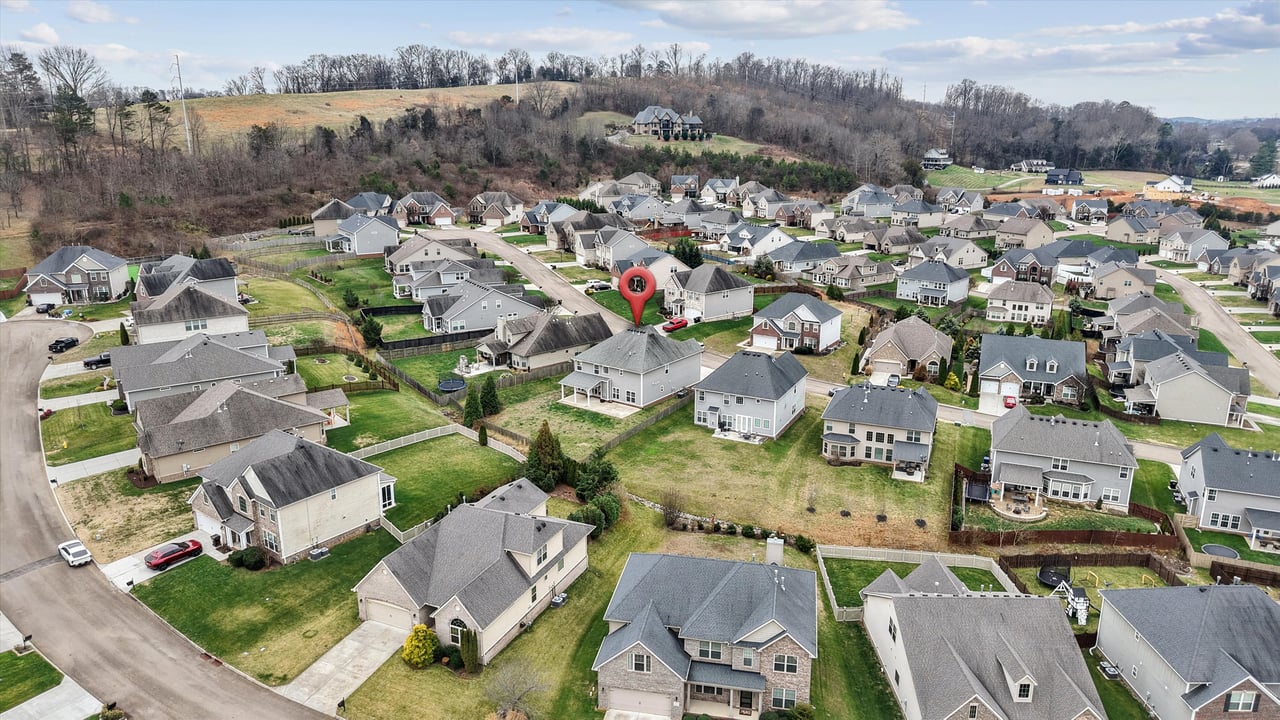
In Knoxville, neighborhood layouts can vary widely depending on when and where a community was built. Street width, driveway length, garage size, and the presence of sidewalks can all influence how a neighborhood functions once people actually live there.
Understanding these differences can help buyers identify communities that better match their lifestyle and expectations.
Why Neighborhood Layout Matters
A neighborhood’s physical design affects several aspects of everyday living, including:
• how easily residents can park vehicles
• whether children comfortably play outside
• how convenient it is to walk or bike through the area
• how traffic flows through the streets
These details may not stand out immediately when viewing homes online, but they can become much more noticeable after moving into a neighborhood.
For buyers who value walkability, quiet streets, or easy parking, taking time to evaluate neighborhood layout can be just as important as evaluating the home itself.
Garage Capacity and Driveway Length
One of the first things to observe when touring a neighborhood is how homes accommodate parking.
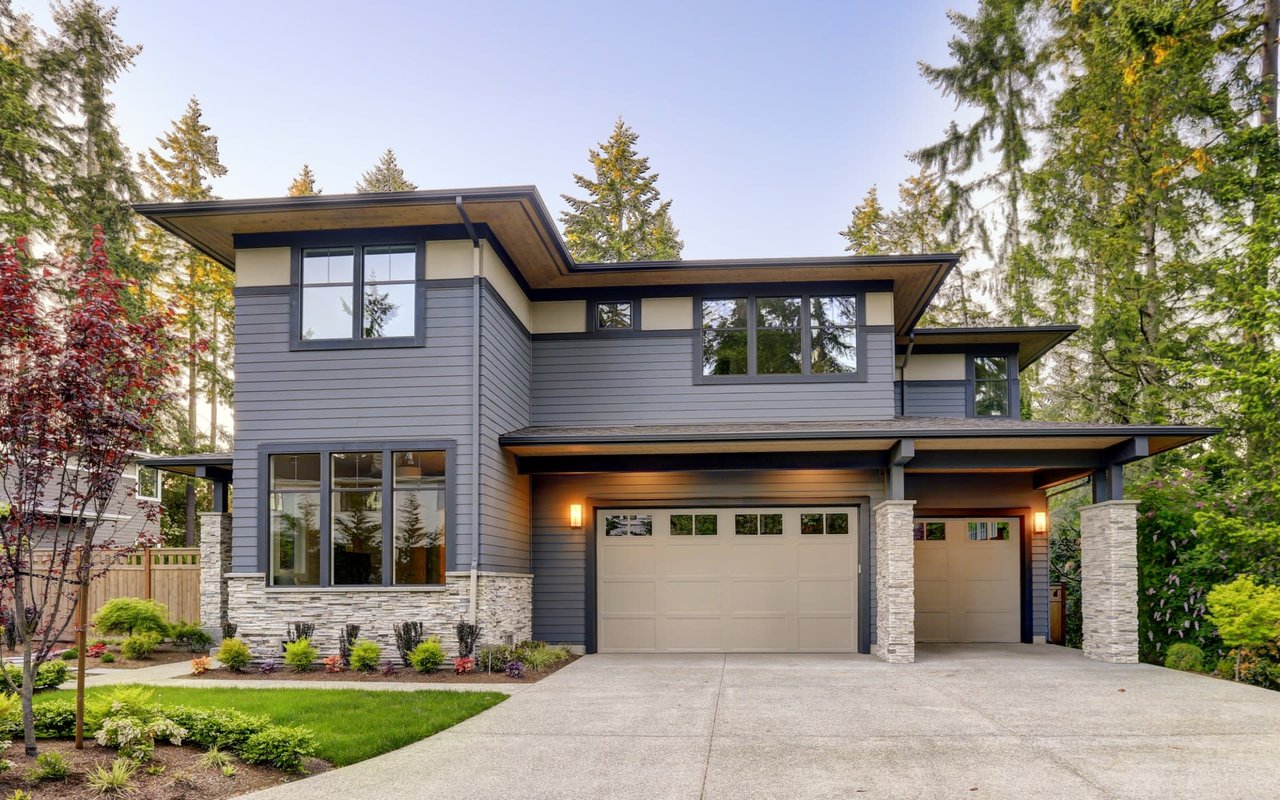
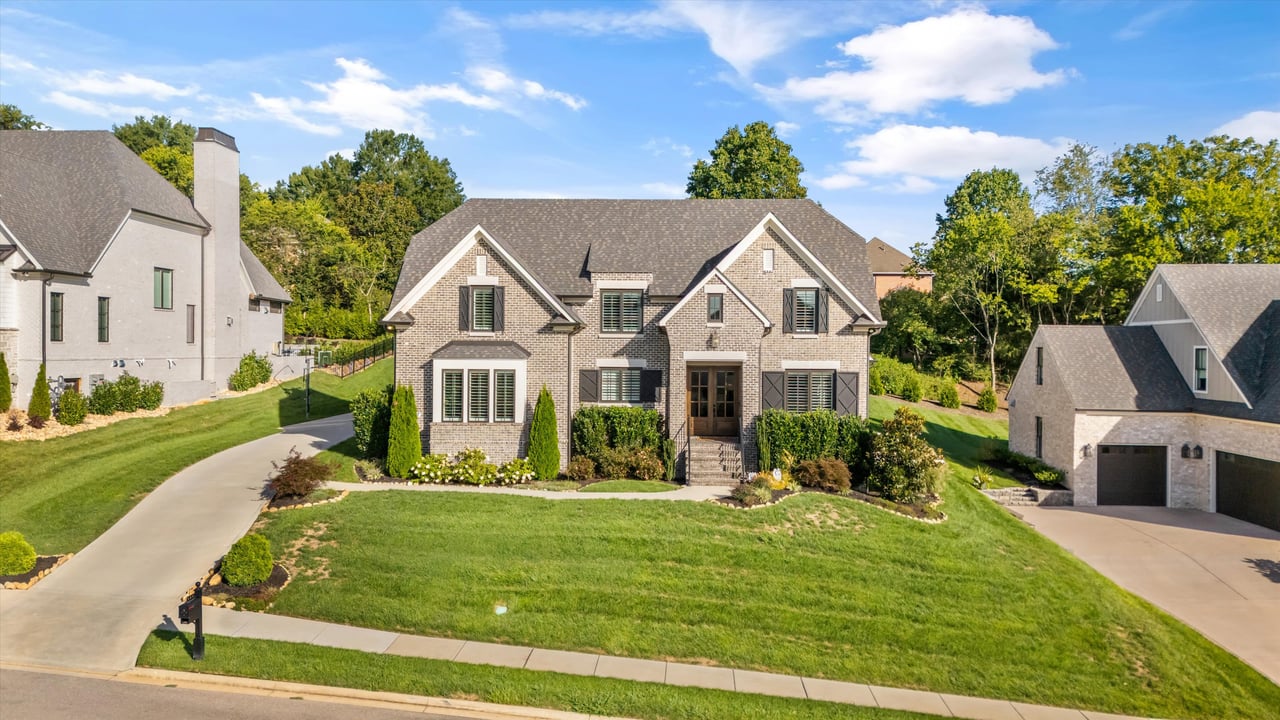
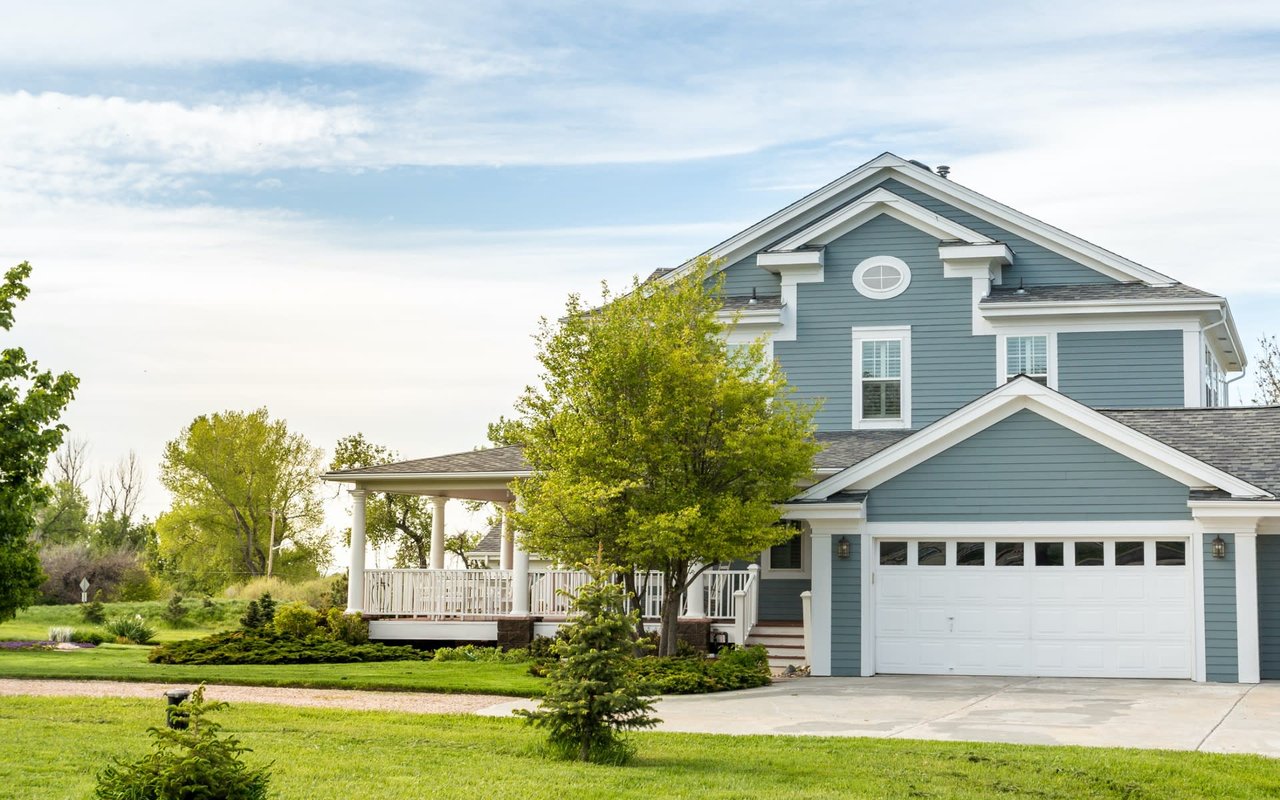
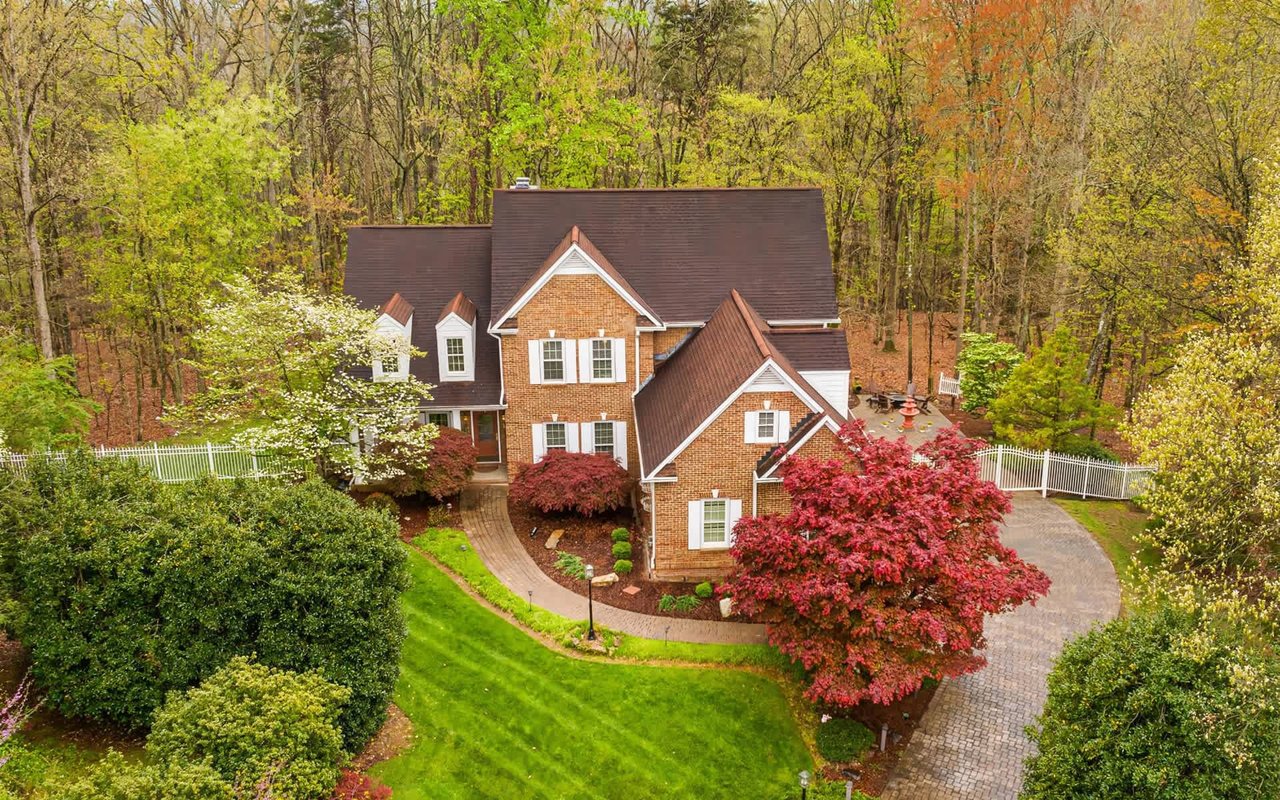
In many Knoxville communities, homes feature two- or three-car garages with driveways long enough to park additional vehicles.
In neighborhoods where garages and driveways comfortably handle most vehicles, streets tend to remain relatively open and easy to navigate.
However, in other communities, driveways may be shorter and garage space more limited. When this happens, some residents rely on street parking for additional vehicles.
This isn't necessarily a problem, but it can change how the neighborhood feels and functions.
Streets with frequent on-street parking may become narrower for driving, and traffic may move more slowly through the area.
Street Width and Traffic Flow
Street width plays a surprisingly large role in how comfortable a neighborhood feels.
Wider streets allow vehicles to pass easily even when some cars are parked along the curb.
Narrower streets, particularly those without sidewalks, can feel more congested when multiple vehicles are parked along the road.
This difference becomes especially noticeable during evenings and weekends when more residents are home.
Buyers touring a neighborhood may want to take a few moments to observe how vehicles move through the streets and whether traffic flow feels comfortable.
Sidewalks and Walkability
Sidewalks are another feature that varies significantly between neighborhoods in Knoxville.
Some communities include sidewalks throughout the development, which encourages walking, jogging, and neighborhood interaction.
Other neighborhoods were designed without sidewalks, meaning pedestrians share the roadway with vehicles.
For families with children, or buyers who enjoy walking their dogs or exercising outdoors, sidewalks can be an important consideration.
In areas without sidewalks, wider streets and lower traffic volume can help maintain a comfortable walking environment.
Differences Between Older and Newer Neighborhoods
In the Knoxville area, neighborhood design often reflects the era in which the community was built.
Older, more established neighborhoods—particularly in areas like Farragut and parts of West Knoxville—often feature:
• larger lots
• wider streets
• longer driveways
• more space between homes
These communities sometimes provide a quieter, more spacious feel.
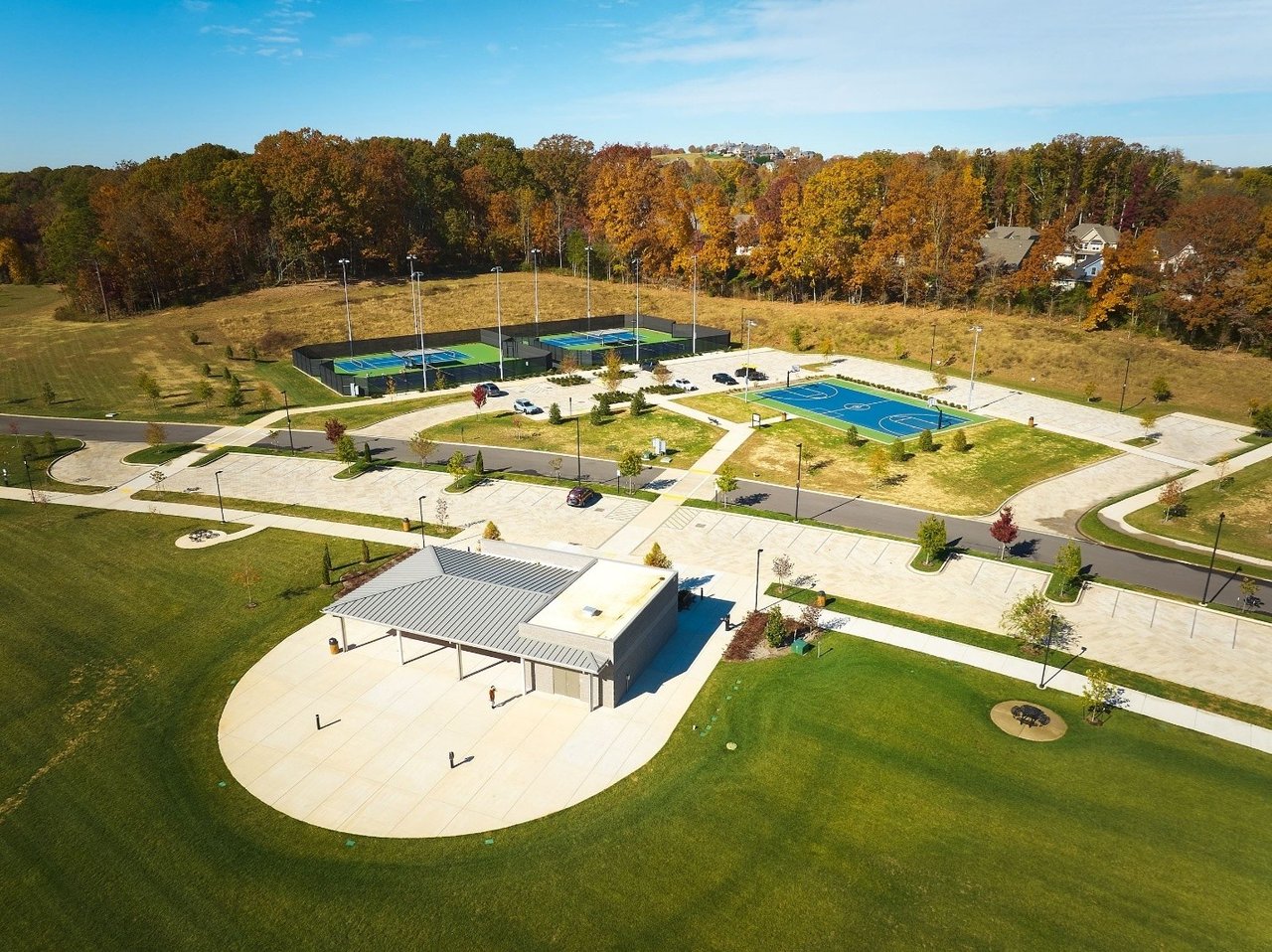
Newer construction communities, many of which are located in areas like Hardin Valley, often prioritize modern home layouts and larger interior living spaces.
These homes can offer beautiful designs, energy-efficient construction, and attractive amenities.
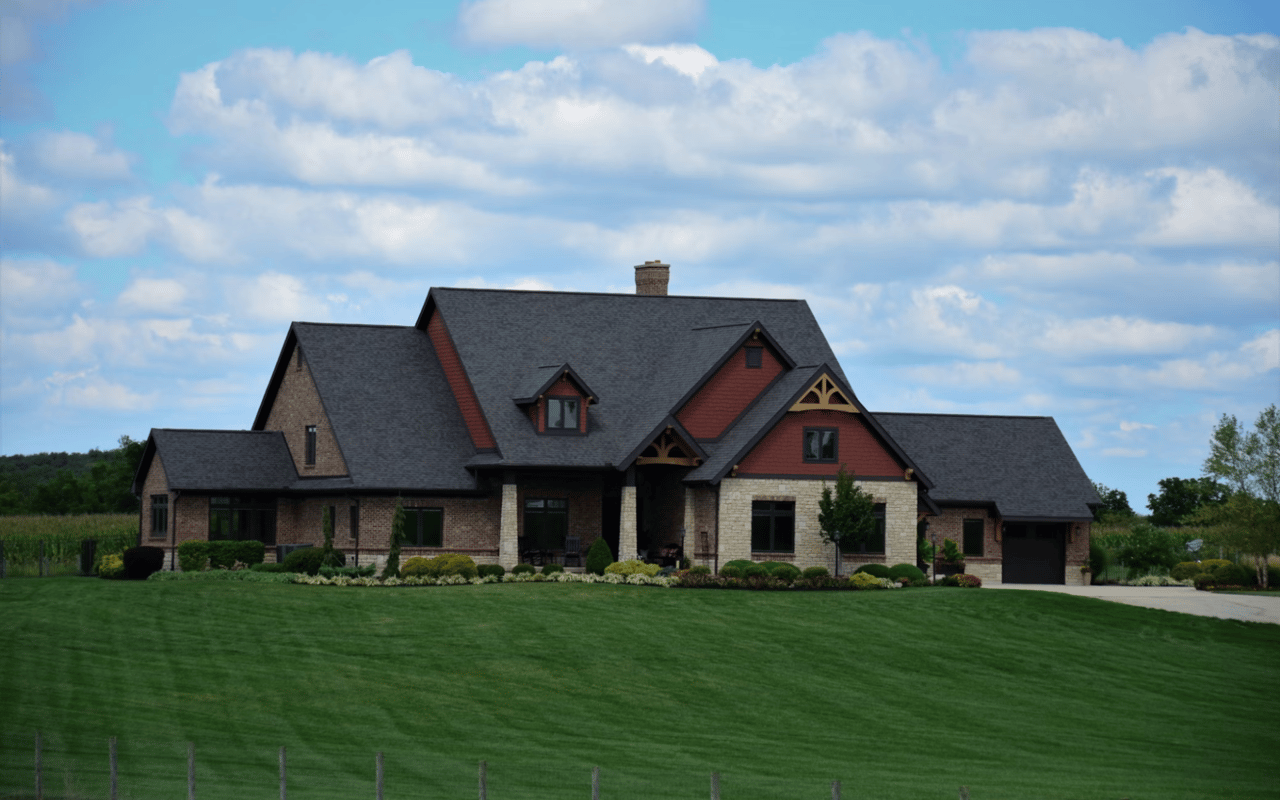
However, because land is used more efficiently, lots may be smaller and homes positioned closer together.
Neither approach is inherently better. They simply reflect different priorities in community design.
Some buyers prefer the character and spacing of older neighborhoods, while others prefer the features and finishes of newly built homes.
How HOA Rules Can Influence Parking
In some Knoxville neighborhoods, the homeowners association (HOA) establishes rules that influence how vehicles can be parked.
These rules may include restrictions on:
• parking certain vehicles on the street
• storing boats or recreational vehicles in driveways
• overnight street parking
Not all neighborhoods have these rules, but when they do exist, they can help maintain a more consistent look and feel throughout the community.
Buyers interested in a particular neighborhood may want to review HOA guidelines or ask their real estate agent whether parking rules apply.
Observing a Neighborhood During a Showing
One helpful strategy when evaluating a neighborhood is simply spending a little time observing it.
If possible, visiting during different times of day can reveal details that might not be obvious during a quick showing.
For example, an area that feels quiet during the middle of a weekday might look different in the evening when most residents are home and vehicles are parked.
Paying attention to how the neighborhood functions during normal activity can help buyers better understand what daily life might feel like after moving in.
Choosing the Right Neighborhood for Your Lifestyle
Every buyer values different aspects of a neighborhood.
Some prioritize walkability and sidewalks. Others care more about garage space or easy street access for multiple vehicles.
Understanding how neighborhood layout influences daily life can help buyers narrow their search toward communities that align with their priorities.
In many cases, the best way to evaluate these factors is simply to spend time exploring neighborhoods and seeing how they function in real life.
Thinking About Buying a Home in Knoxville?
Buying a home in Knoxville involves more than comparing listings online. Factors like neighborhood layout, property characteristics, environmental considerations, and local services can all influence how well a home fits your lifestyle over time.
The best way to fully understand these details is to walk through them with someone who knows the local market well.
If you're considering buying a home in the Knoxville area, feel free to reach out to our team at Sold With Sinclair. We're always happy to answer questions, evaluate properties with you, and help you make confident decisions during the home search process.