When buyers begin researching homes in Knoxville, one topic often raises questions early in the search process: flood risk.
This concern is understandable. Knoxville is well known for its lakes, rivers, and beautiful waterfront communities. Buyers naturally want to understand whether proximity to water creates any risk for flooding or higher insurance costs.
Today, many home search platforms such as Zillow include flood risk scores directly on listing pages. While these tools can provide helpful context, they can also cause unnecessary anxiety if buyers don’t fully understand how those scores are calculated.
If you're considering purchasing a home in Knoxville, it's helpful to understand the difference between online flood risk estimates and the official designations that lenders and insurance companies actually use.
Why Flood Risk Comes Up in Knoxville
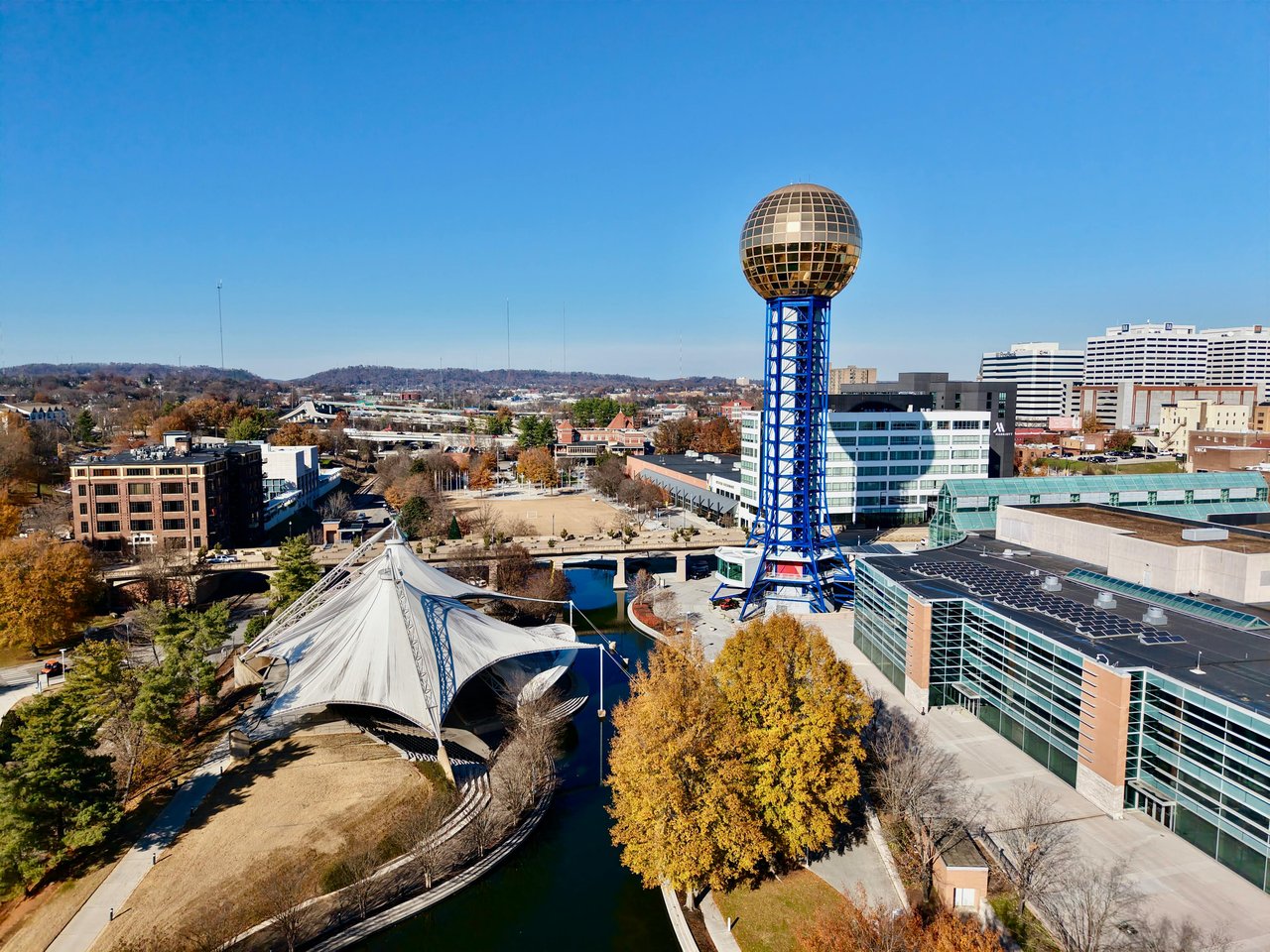
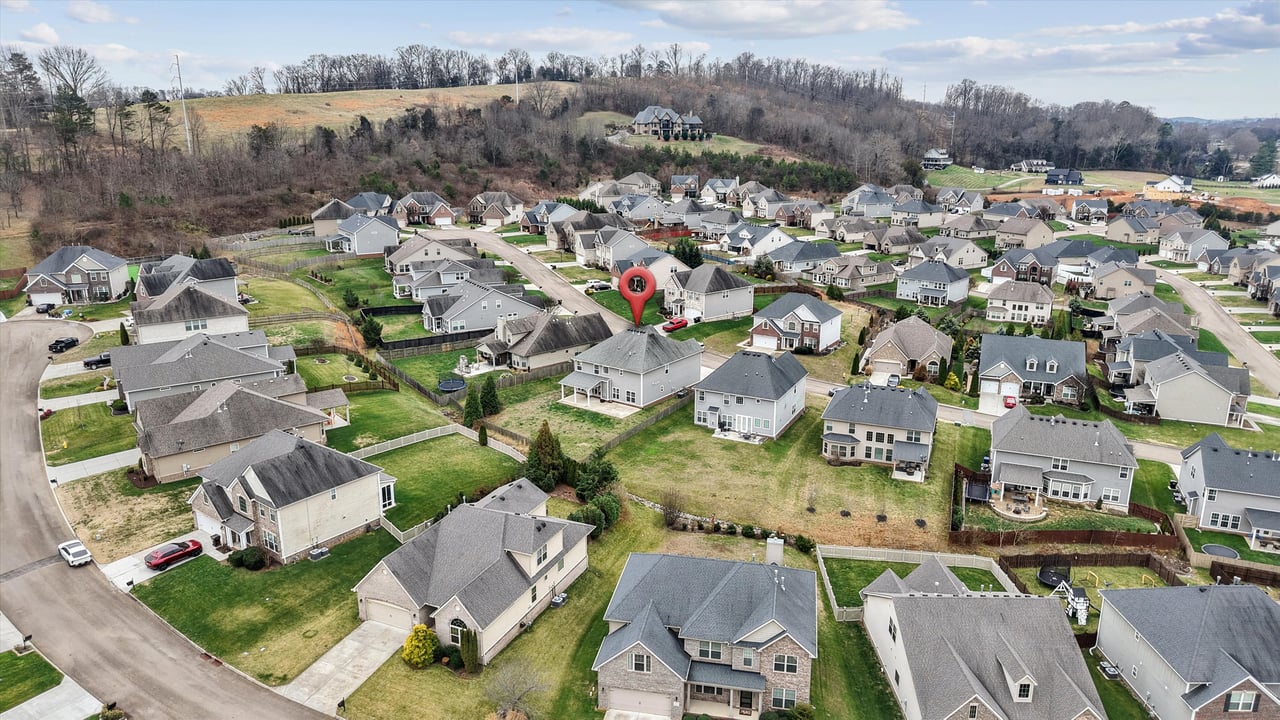
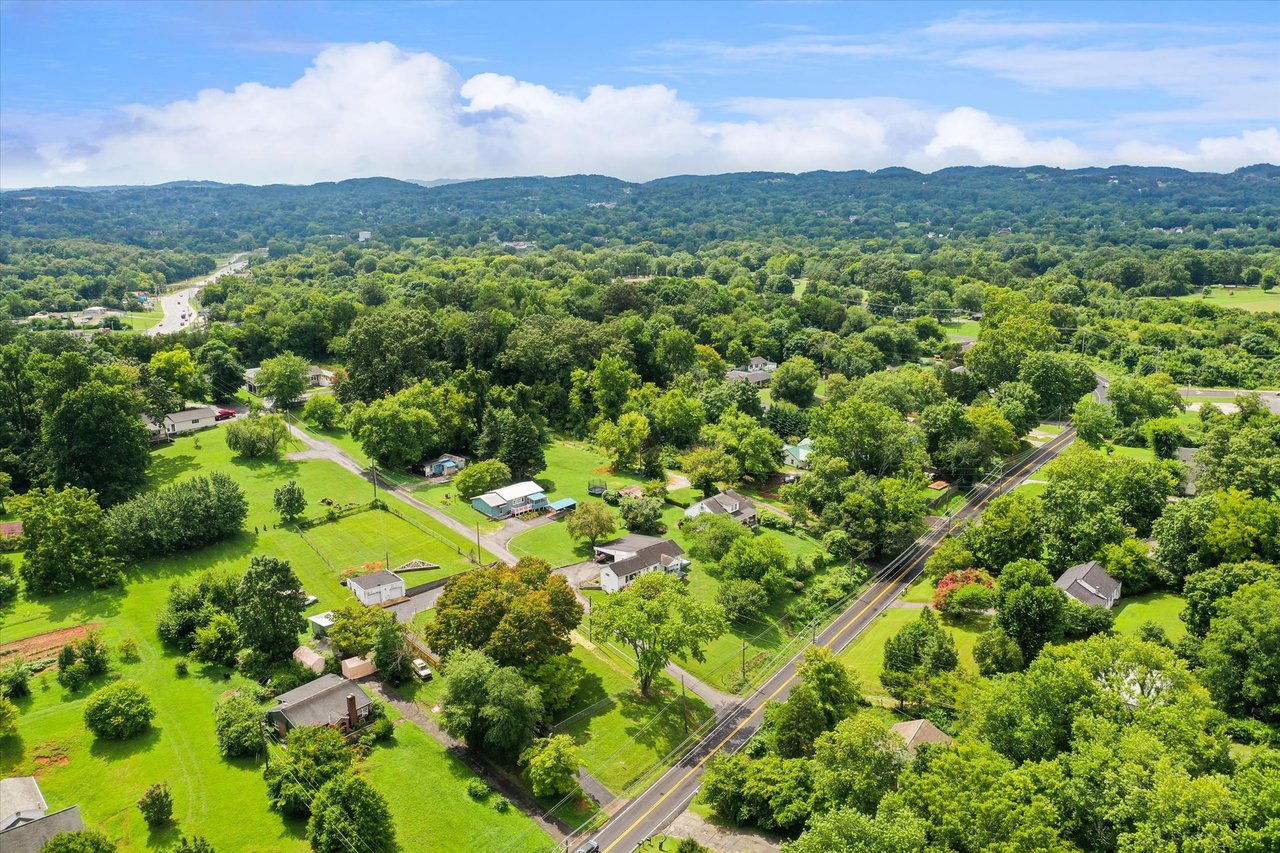
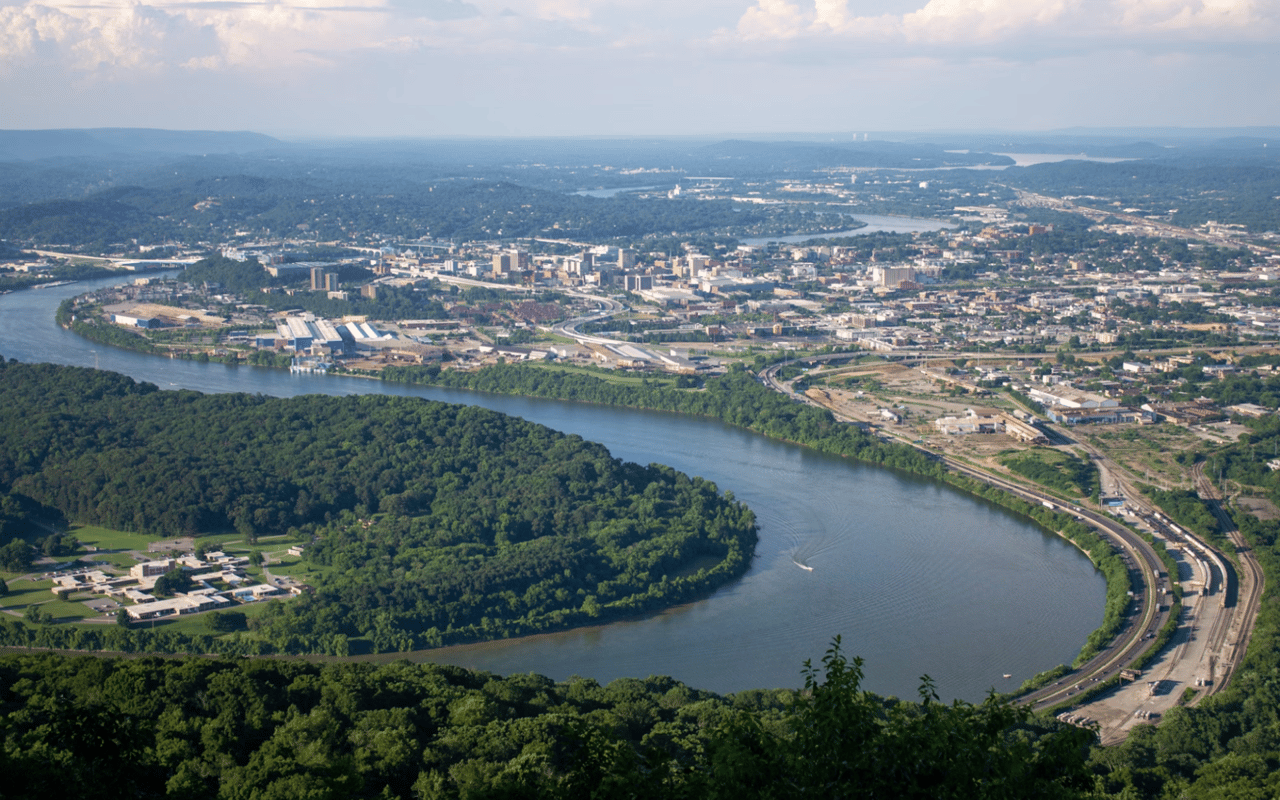
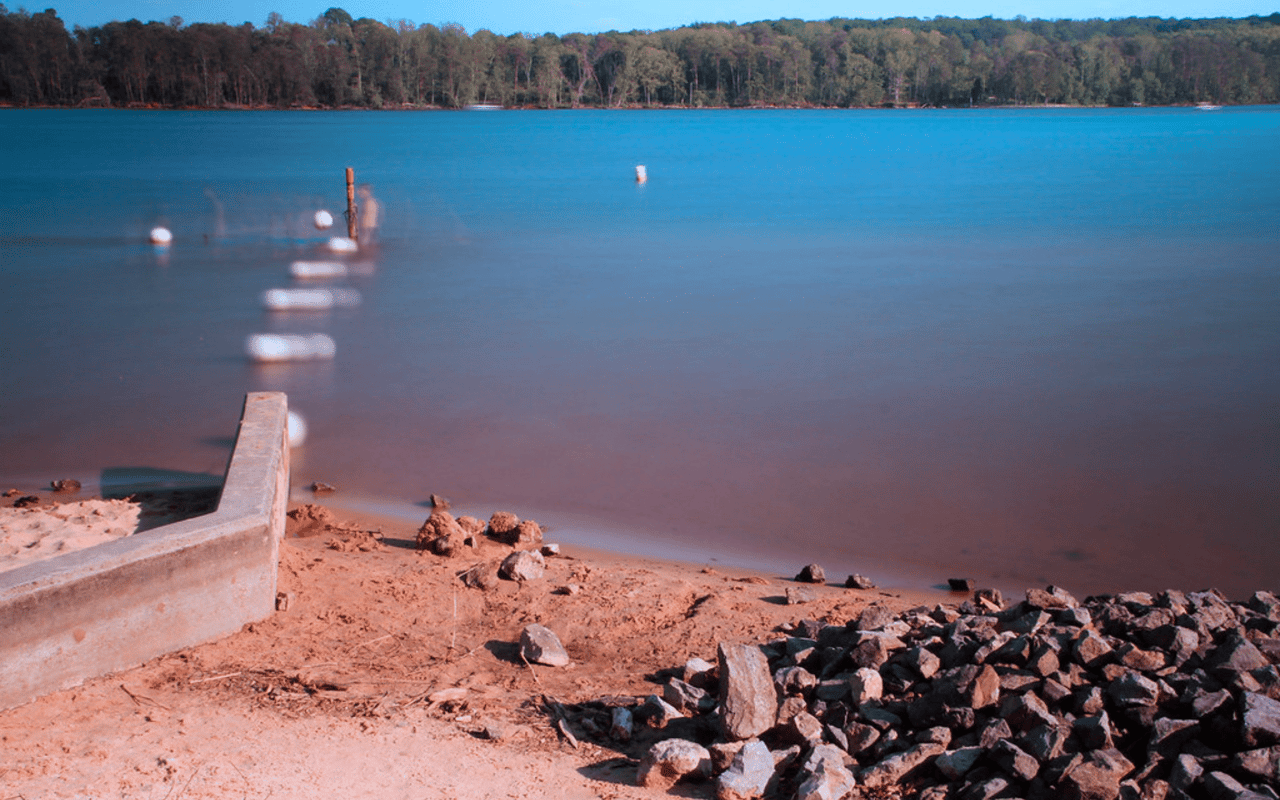
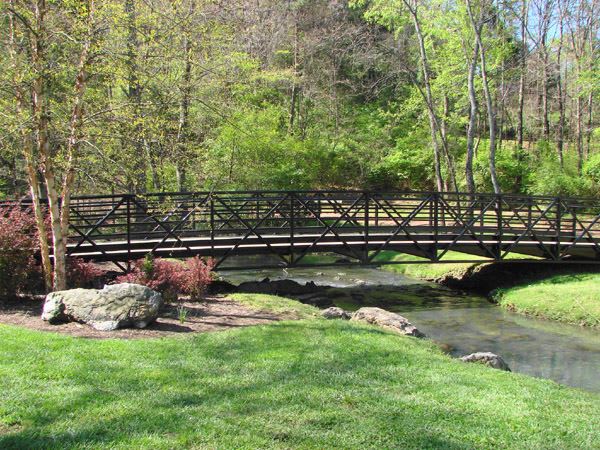
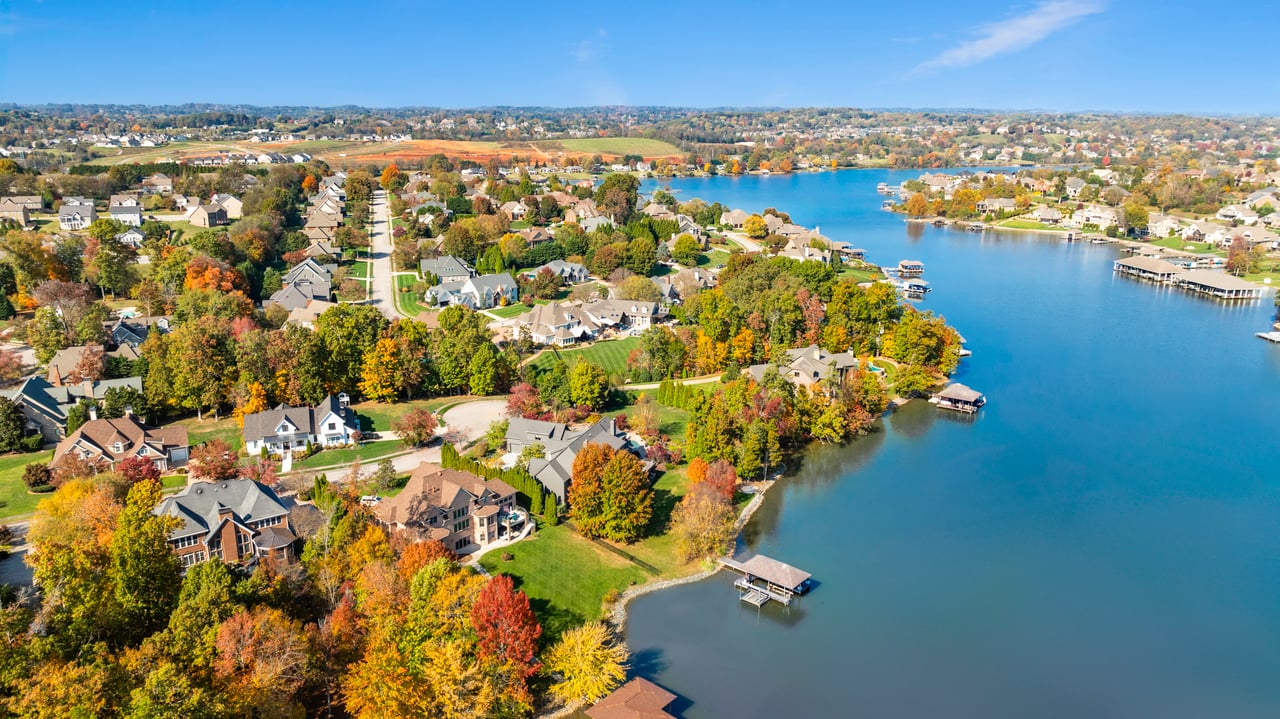
Knoxville sits along the Tennessee River and is surrounded by several lakes, including Fort Loudoun Lake and Tellico Lake. Many neighborhoods offer water views, lake access, or proximity to marinas and parks along the waterfront.
Because of this, buyers often assume that many homes in the area may fall within flood-prone areas.
In reality, most residential properties in the Knoxville area are not located in regulated flood zones, even when they are near water.
That’s because modern development patterns and elevation changes often place homes well above flood-prone areas.
However, because flood risk is an important consideration for insurance and financing, it’s still something buyers should verify when evaluating a property.
Understanding FEMA Flood Zones
The most important flood risk classification for homebuyers comes from the Federal Emergency Management Agency (FEMA).
FEMA creates official flood maps that categorize properties based on their statistical flood risk.
These maps divide properties into zones such as:
Zone X
Low risk of flooding. Most homes fall into this category.
Zone AE or A
Higher risk areas where flooding is statistically more likely.
Homes located in higher-risk flood zones may require flood insurance if the buyer is obtaining a mortgage.
For properties located in lower-risk zones like Zone X, flood insurance is usually optional rather than required.
When lenders and insurance companies evaluate flood risk, FEMA flood zone designations are the standard they rely on, not third-party online risk scores.
Why Zillow Flood Scores Can Be Confusing
Real estate websites like Zillow often display flood risk scores as part of a home’s listing information.
These scores are typically generated using predictive modeling tools, often provided by third-party data companies such as ClimateCheck or First Street Foundation.
Rather than simply reflecting FEMA flood maps, these models attempt to estimate potential future flood risk using a variety of factors, including:
• historical weather patterns
• projected rainfall data
• sea level and watershed modeling
• climate trend projections
• elevation models
Because these systems are trying to forecast long-term environmental trends, they may assign a higher risk score to properties that are not located in FEMA flood zones.
While the intention behind these tools is to provide additional information, the scores can sometimes appear more alarming than the official risk classification used by lenders and insurers.
Why FEMA Designation Matters Most
From a practical standpoint, the flood zone that matters most during a home purchase is the FEMA designation assigned to the property.
This is because FEMA zones determine:
• whether flood insurance is required by a lender
• how insurance companies assess flood risk
• how flood-related regulations may apply to the property
For example, if a property is located in Zone X, most lenders will not require flood insurance.
If a property falls within Zone AE, flood insurance may be required as part of the mortgage process.
Understanding this distinction can help buyers interpret online information more accurately.
How Buyers Can Verify Flood Zone Information
Fortunately, verifying a property's flood zone is relatively straightforward.
Buyers or their agents can confirm the designation by checking:
• FEMA Flood Map Service Center
• Knox County GIS mapping tools
• information provided by the listing agent
• title or lender verification during the transaction process
Because flood zones are publicly mapped, it is typically easy to determine the official designation early in the home search.
Living Near Water Without Flood Risk
Many Knoxville buyers are drawn to homes located near lakes or rivers because of the area's natural beauty and outdoor recreation opportunities.
Fortunately, proximity to water does not automatically mean flood risk.
In fact, many lakefront or lake-access communities sit on elevated terrain above the waterline, meaning homes can enjoy water views or access while still being located outside regulated flood zones.
Understanding this distinction can help buyers feel more confident when exploring properties near Knoxville’s lakes.
Why Flood Risk Should Be Verified, Not Feared
Flood risk is an important factor to understand when purchasing any home.
However, it’s equally important to interpret flood information accurately.
Online flood scores can provide a useful starting point for research, but they should always be evaluated alongside the property's official FEMA flood zone designation, which is the standard used by lenders and insurance providers.
By confirming this information early in the home search, buyers can avoid unnecessary concern and focus on finding a property that truly fits their needs.
Thinking About Buying a Home in Knoxville?
Buying a home in Knoxville involves more than comparing listings online. Factors like property characteristics, neighborhood design, environmental considerations, and local services can all influence how well a home fits your lifestyle over time.
The best way to fully understand these details is to walk through them with someone who knows the local market well.
If you're considering buying a home in the Knoxville area, feel free to reach out to our team at Sold With Sinclair. We’re always happy to answer questions, evaluate properties with you, and help you make confident decisions during the home search process.