If you're thinking about buying a home in Knoxville, one question comes up quickly:
“How bad is the traffic?”
With Knoxville growing rapidly and attracting new residents from across the country, it’s a fair question.
The honest answer is that traffic has increased in recent years, but the experience varies widely depending on where you live, where you work, and what time of day you’re traveling.
Compared with major metropolitan areas, Knoxville traffic is still relatively manageable. That said, there are certain roads and traffic patterns that buyers should understand before choosing a neighborhood.
I-40: Knoxville’s Main Traffic Corridor
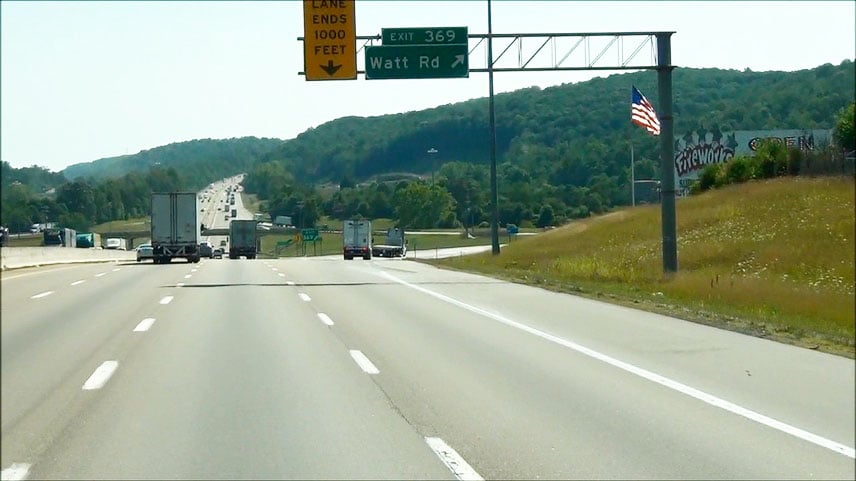
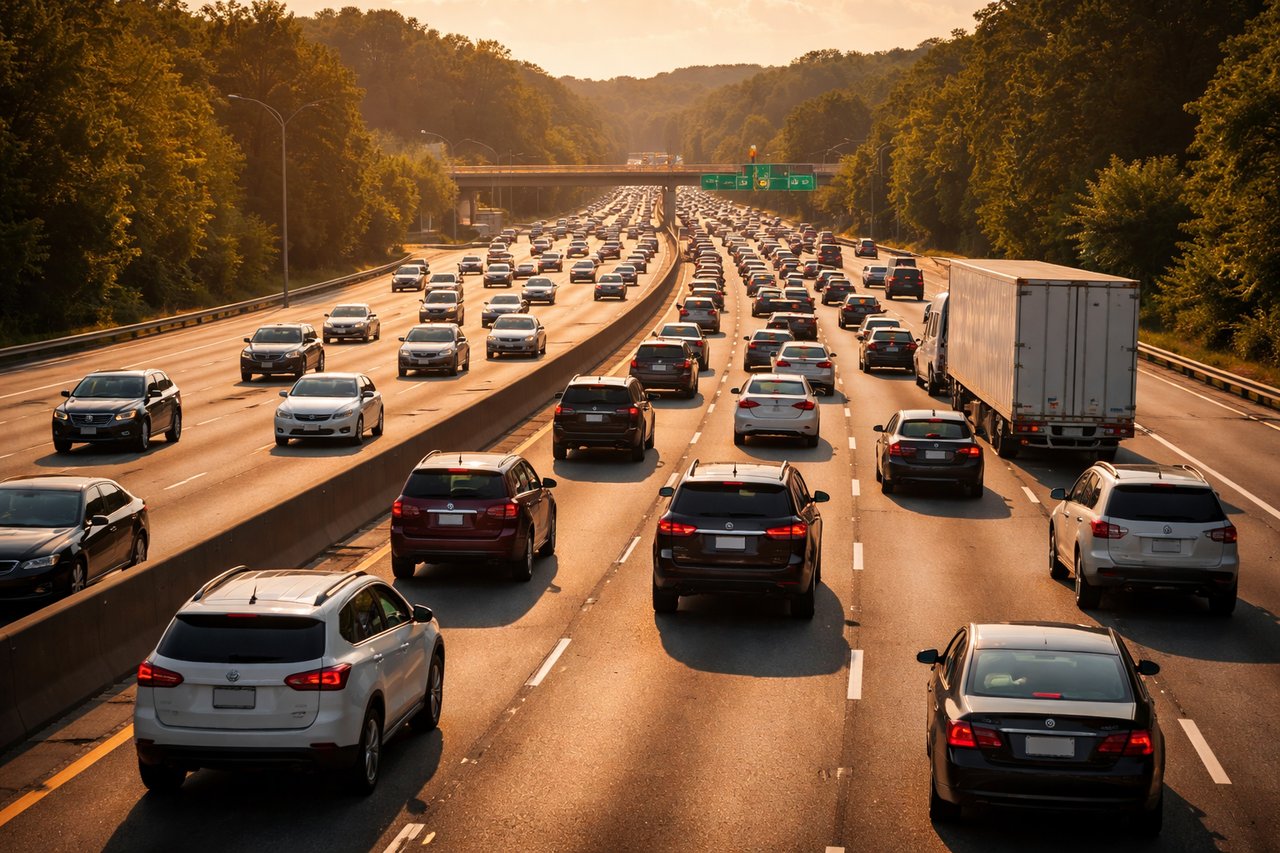
Interstate 40 is the primary east–west interstate running directly through Knoxville. It connects the city with Nashville to the west and Asheville to the east, and it carries a significant amount of cross-country traffic and commercial trucking.
Because of this, not all of the congestion on I-40 is local traffic.
Several factors influence how busy it can feel:
• heavy truck traffic moving across the country
• major interchanges near downtown Knoxville
• curves and elevation changes through the city
• sun glare during morning and evening commuting hours
Morning and evening rush hours can create slowdowns, particularly near downtown interchanges and where I-40 merges with I-75.
Outside of those peak periods, however, traffic often moves much more smoothly than people expect.
The Tennessee Department of Transportation continues to monitor capacity and safety along this corridor, and improvements to interchanges and infrastructure have been made over the years to help manage growth.
Source: Tennessee Department of Transportation
Hardin Valley: Growth and Infrastructure Catching Up
Hardin Valley has become one of the fastest-growing areas in Knox County. The appeal is clear: buyers can often find newer homes with more square footage at relatively competitive prices compared with other parts of West Knoxville.
However, rapid growth has also created some infrastructure growing pains.
Hardin Valley Road serves as the primary east–west corridor connecting neighborhoods, schools, Pellissippi State Community College, and Pellissippi Parkway. In many stretches it is still primarily a two-lane road handling school traffic, commuters, and new development.
This can lead to congestion during peak hours, particularly around:
• school start and dismissal times
• morning commutes
• late afternoon and evening traffic
Recognizing the increase in traffic, Knox County and regional planners have proposed several improvements along the corridor.
Hardin Valley Road Widening
One of the most significant projects involves widening portions of Hardin Valley Road from three lanes to five lanes, particularly along the busy stretch between Pellissippi Parkway and Award Winning Way near the commercial corridor.
The goal is to improve traffic flow and reduce backups that often occur during school drop-off times and peak commuting periods.
Roundabouts and Intersection Improvements
Transportation planners have also proposed roundabouts and intersection upgrades along the corridor to improve traffic movement and safety.
For example:
• A roundabout has been proposed near Hardin Valley Road and Marietta Church Road to improve turning movements during peak traffic periods.
• Additional improvements have been discussed for intersections near Steele Road, Sam Lee Road, and Swafford Road, where traffic volumes have increased as nearby neighborhoods continue to grow.
These projects are part of a longer-term strategy to help the area accommodate continued residential development.
Source: Knox County Engineering
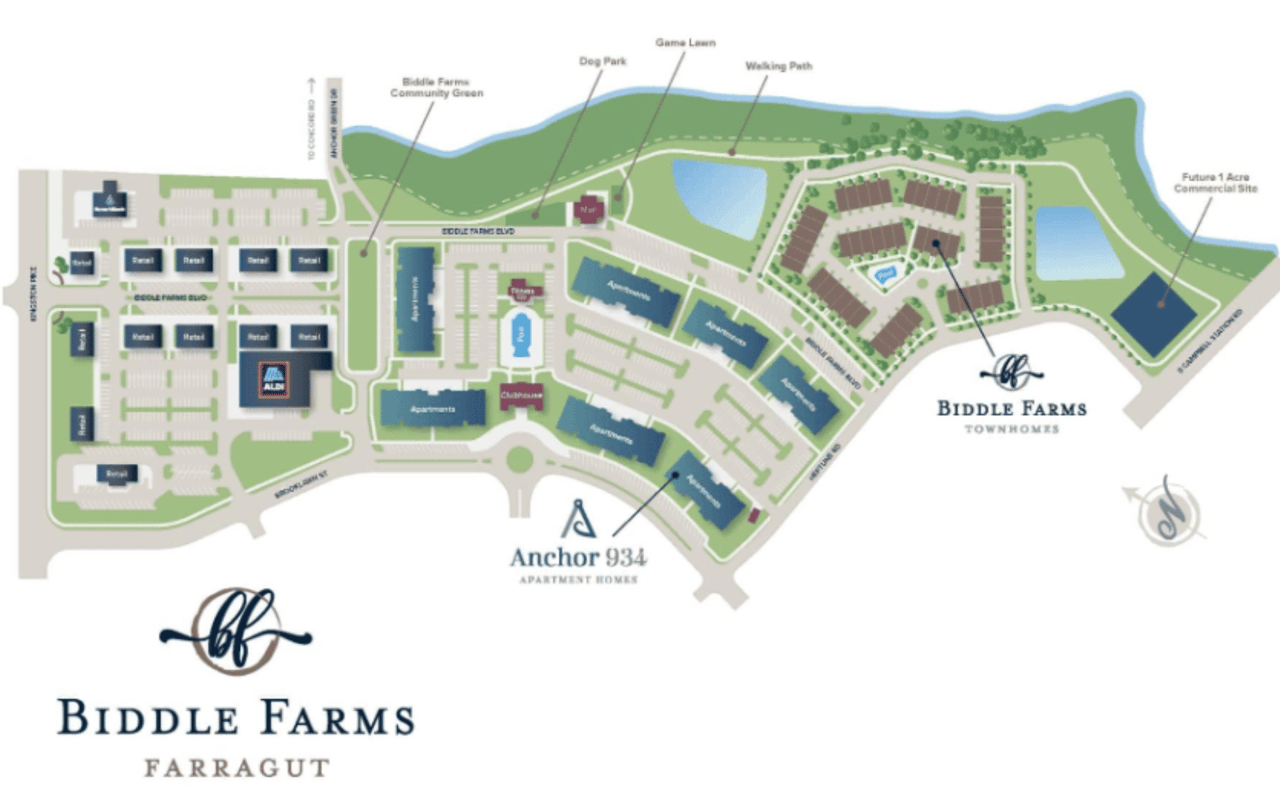
Farragut and the Turkey Creek Area
Farragut is another major hub in West Knoxville, known for its schools, established neighborhoods, and proximity to shopping and dining.
The Turkey Creek shopping district draws visitors from across the region, which means traffic volumes can increase around:
• weekends
• holiday shopping periods
• evening dining hours
One of the primary roads serving this area is Kingston Pike, which functions as a major commercial corridor for West Knoxville.
Kingston Pike includes:
• numerous traffic lights
• multiple intersections
• frequent retail access points
During the middle of the day traffic often moves steadily, but congestion can increase during evening commuting hours and around school start and end times.
Nearby schools such as Farragut High School and Bearden High School can also contribute to localized traffic surges during those daily windows.
Pellissippi Parkway: A Major Regional Connector
Another important roadway in the region is Pellissippi Parkway (State Route 162).
This highway connects several key areas including:
• Maryville
• Knoxville
• Hardin Valley
• Oak Ridge
Pellissippi Parkway also serves as a primary route to McGhee Tyson Airport (TYS), making it an important corridor for both daily commuters and travelers accessing the region’s airport.
Because it functions as a limited-access highway for much of its length, Pellissippi Parkway often serves as a preferred commuting route compared with surface roads.
For much of the day traffic flows relatively smoothly, but like most major roadways it can experience slowdowns during peak commuting periods or when accidents occur.
Pellissippi Parkway Extension
One long-term transportation project involves the proposed extension of Pellissippi Parkway further south in Blount County.
The proposed project would extend the parkway from its current terminus at State Route 33 to State Route 73 (Lamar Alexander Parkway).
Plans include a new four-lane controlled-access highway with grade-separated interchanges designed to:
• improve regional connectivity
• reduce congestion on surrounding roads
• provide better access between Knox County, Maryville, and surrounding communities
The project has been discussed for many years and remains part of long-term transportation planning in the region.
Source: Tennessee Department of Transportation
Improvements at the Hardin Valley / Pellissippi Interchange
Another project has focused on improving the Hardin Valley Road interchange with Pellissippi Parkway, which had become a congestion point due to residential growth and traffic associated with Pellissippi State Community College.
Improvements at the interchange have included:
• extending on- and off-ramps
• adding additional turn lanes
• improving ramp geometry for safer merging
• installing upgraded traffic signals and drainage improvements
These upgrades were designed to improve both safety and capacity at one of the busiest intersections in West Knoxville.
The Big Picture: Knoxville Traffic in Context
So what is the real takeaway?
Yes, traffic in Knoxville has increased as the region has grown.
Some areas are better equipped to handle that growth than others, and certain roads experience heavier congestion during peak commuting periods.
However, compared with major cities, Knoxville traffic remains relatively manageable for most residents.
Several factors help keep things balanced:
• multiple side-road options across the region
• relatively short commute distances
• traffic that tends to concentrate during predictable windows rather than all day
In many cases, traffic that feels heavy during the morning or evening commute may be much lighter just an hour earlier or later.
The Best Advice: Test the Commute
If traffic is an important factor in your home search, the best advice is simple:
Try the drive before you buy.
Drive the route between your potential home and key destinations such as:
• your workplace
• your children’s school
• grocery stores and shopping areas
And try it at realistic times of day, particularly during morning and evening commuting periods.
This can give you a much clearer picture of what your daily routine might look like.
Thinking About Buying a Home in Knoxville?
Traffic patterns are just one of many local factors that can influence your experience living in Knoxville. Neighborhood design, school proximity, property characteristics, and local amenities can all play a role in finding the right home.
If you're considering buying a home in Knoxville or the surrounding areas, we’re always happy to help you understand how different neighborhoods function day to day.
Feel free to reach out to Sold With Sinclair if you'd like help evaluating locations, commuting patterns, or homes that fit your lifestyle.