What You Need to Know About Real Estate Selling Requirements in Tennessee
Selling real estate in Tennessee—whether it’s your first home, an investment property, or part of a larger business—comes with specific legal and regulatory requirements. Understanding these rules upfront can help you avoid delays, reduce risk, and ensure a smooth transaction.
1. Do You Need a Real Estate License?
If you’re selling your own property, you do not need a real estate license. This is commonly referred to as “For Sale By Owner” (FSBO).
However, if you plan to sell property on behalf of others for compensation, Tennessee law requires you to hold a valid real estate license issued by the Tennessee Real Estate Commission (TREC). Acting as an unlicensed agent can result in significant penalties.
2. Property Disclosure Requirements
Tennessee law requires most sellers to complete a Residential Property Disclosure Form. This document outlines the condition of the property and must include known issues such as:
-
Structural defects
-
Roof or foundation problems
-
Plumbing or electrical issues
-
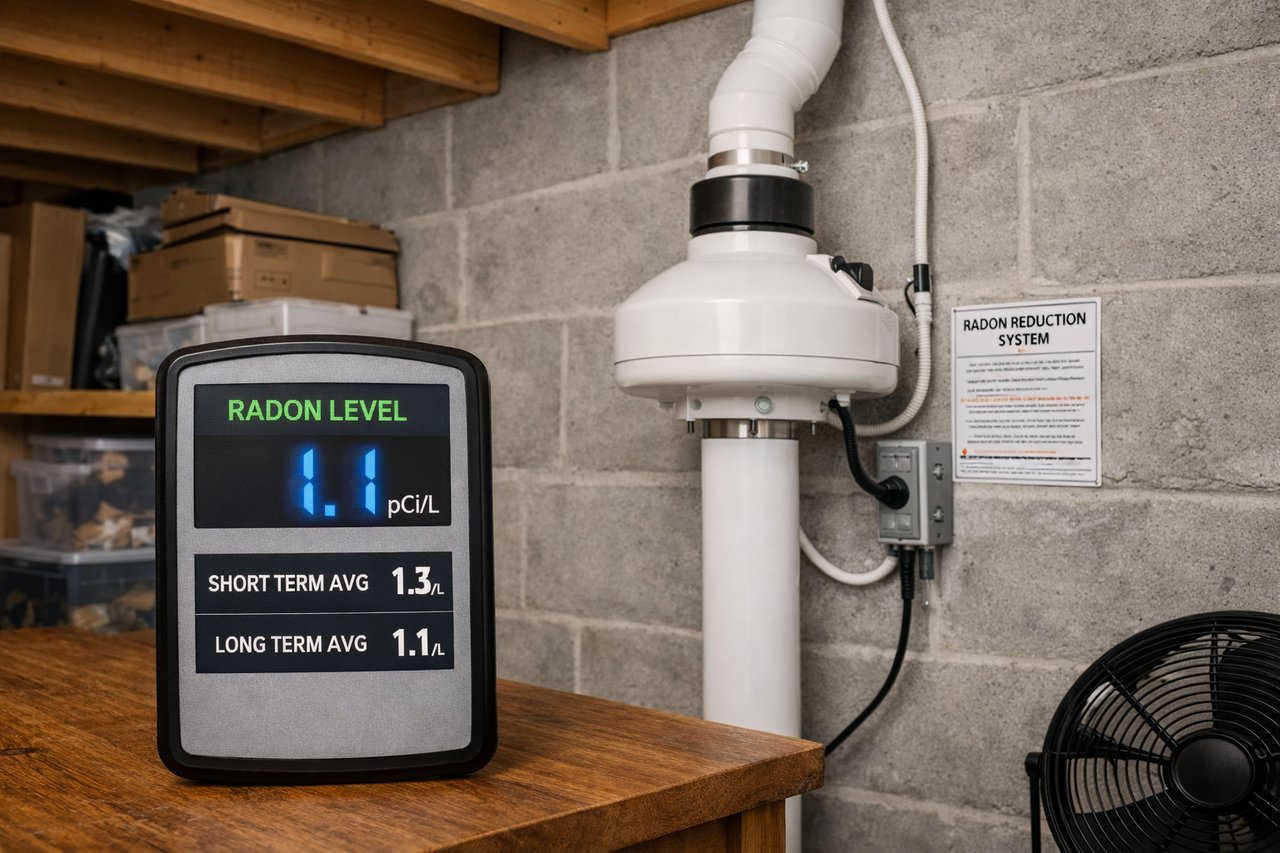
Environmental hazards
Failing to disclose known defects can expose you to legal liability even after the sale is complete.
3. Lead-Based Paint Disclosure
If your home was built before 1978, federal law requires you to provide buyers with a lead-based paint disclosure. This includes:
-
A disclosure form
-
An informational pamphlet for buyers
-
Any known records or reports related to lead hazards
This requirement applies nationwide and is strictly enforced.
4. Hiring a Real Estate Agent (Optional but Common)
While not required, many sellers choose to work with a licensed real estate agent. An agent can:
-
Help price your home competitively
-
Market the property
-
Handle negotiations and paperwork
In Tennessee, agents typically earn a commission, which is agreed upon in the listing contract.
5. Title and Closing Requirements
Real estate transactions in Tennessee are typically closed through a title company or real estate attorney. Key steps include:
-
Conducting a title search to confirm ownership
-
Resolving any liens or claims
-
Preparing closing documents
-
Transferring funds and recording the deed
Unlike some states, Tennessee does not require an attorney for every transaction, but legal guidance is often recommended.
6. Property Taxes and Prorations
At closing, property taxes are usually prorated between the buyer and seller based on the time each party owns the home during the year. Make sure your property taxes are up to date to avoid complications during closing.
7. Capital Gains and Tax Considerations
If you’re selling a property for more than you paid, you may owe capital gains tax. However, many homeowners qualify for exclusions:
-
Up to $250,000 for single filers
-
Up to $500,000 for married couples
To qualify, you generally must have lived in the home for at least two of the last five years.
8. Local and HOA Rules
If your property is part of a Homeowners Association (HOA), you’ll need to provide buyers with:
-
HOA rules and regulations
-
Fee information
-
Any outstanding dues
Additionally, some local municipalities may have specific requirements, such as occupancy permits or inspections.
How Sold with Sinclair Real Estate Group Can Help
Navigating Tennessee’s real estate requirements can feel overwhelming, especially when you’re trying to maximize your sale price and stay compliant with the law. That’s where Sold with Sinclair Real Estate Group comes in.
Working with an experienced team can simplify the entire process:
-
Accurate Pricing Strategy: They analyze local market trends to position your home competitively from day one.
-
Professional Marketing: From high-quality photos to online exposure, they help your property stand out to serious buyers.
-
Disclosure Guidance: They ensure all required forms are completed correctly, reducing your legal risk.
-
Negotiation Expertise: Skilled negotiation can make a significant difference in your final sale price and terms.
-
Streamlined Closing Process: Coordination with title companies, buyers, and lenders helps prevent delays and surprises.
Instead of handling everything alone, having a knowledgeable real estate team on your side can save time, reduce stress, and often lead to better financial outcomes.
Final Thoughts
Selling real estate in Tennessee involves more than just finding a buyer—it requires compliance with disclosure laws, proper documentation, and careful handling of the closing process.
Whether you choose to sell your home independently or work with professionals like Sold with Sinclair Real Estate Group, understanding these requirements will help protect your interests and keep your transaction on track.
A well-prepared seller is a successful seller—and the right guidance can make all the difference.