Buying a home in Knoxville attracts a wide range of buyers. Some are relocating from other parts of the country. Others are already local but looking to move into a different neighborhood, upgrade their home, or purchase their first property.
While the home search process may look straightforward online, there are several factors unique to Knoxville and East Tennessee that buyers should understand before making a purchase.
Many buyers begin their search by focusing on the obvious details:
• price
• square footage
• f inishes
• school zones
Those are certainly important considerations. But once someone actually lives in a home, the factors that shape day-to-day satisfaction often extend beyond the house itself.
Things like lot layout, neighborhood design, environmental conditions, and even local service structures can all influence whether a home truly fits a buyer’s lifestyle.
This guide walks through several factors that are particularly important to understand when buying a home in the Knoxville area.
1. Yard Slope, Lot Size, and Privacy
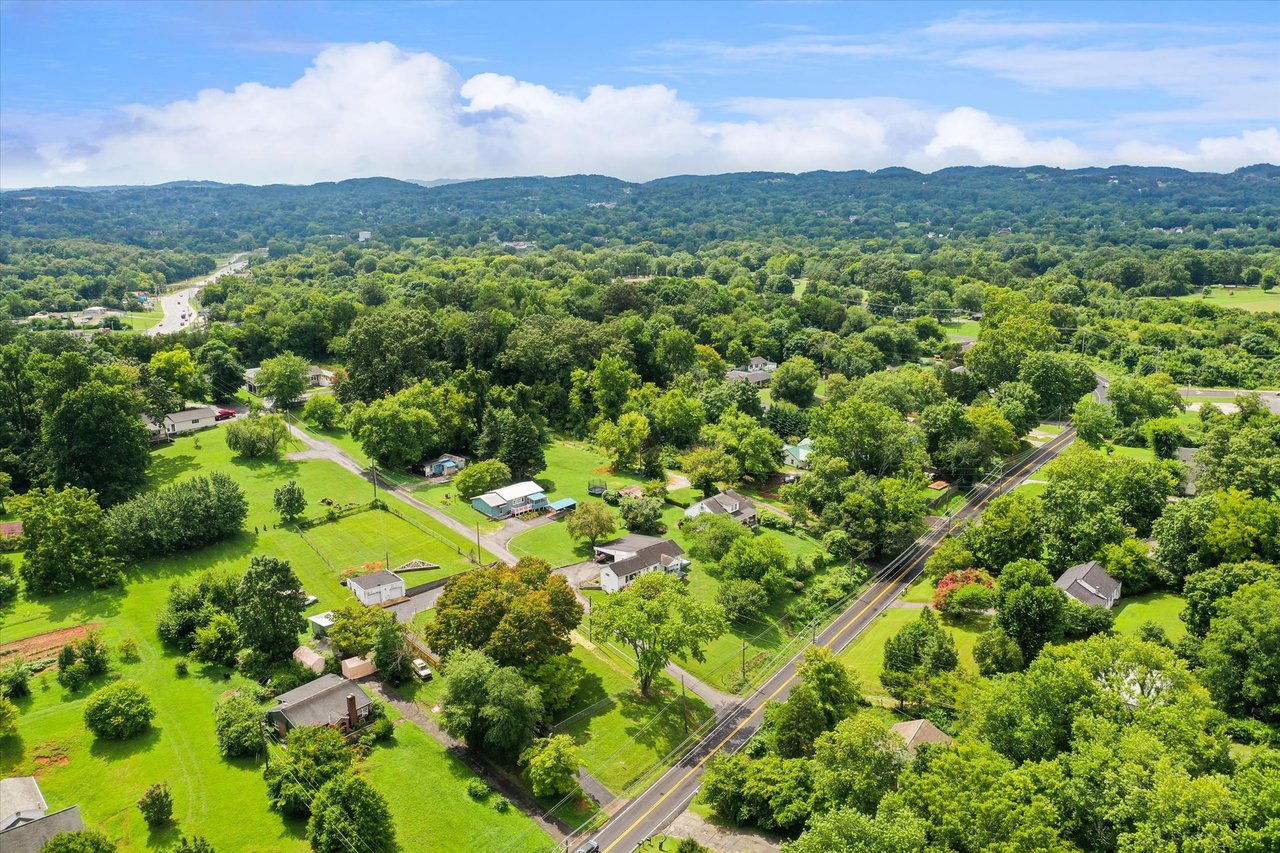
Knoxville sits within the foothills of the Appalachian region, which means topography plays a major role in residential property design.
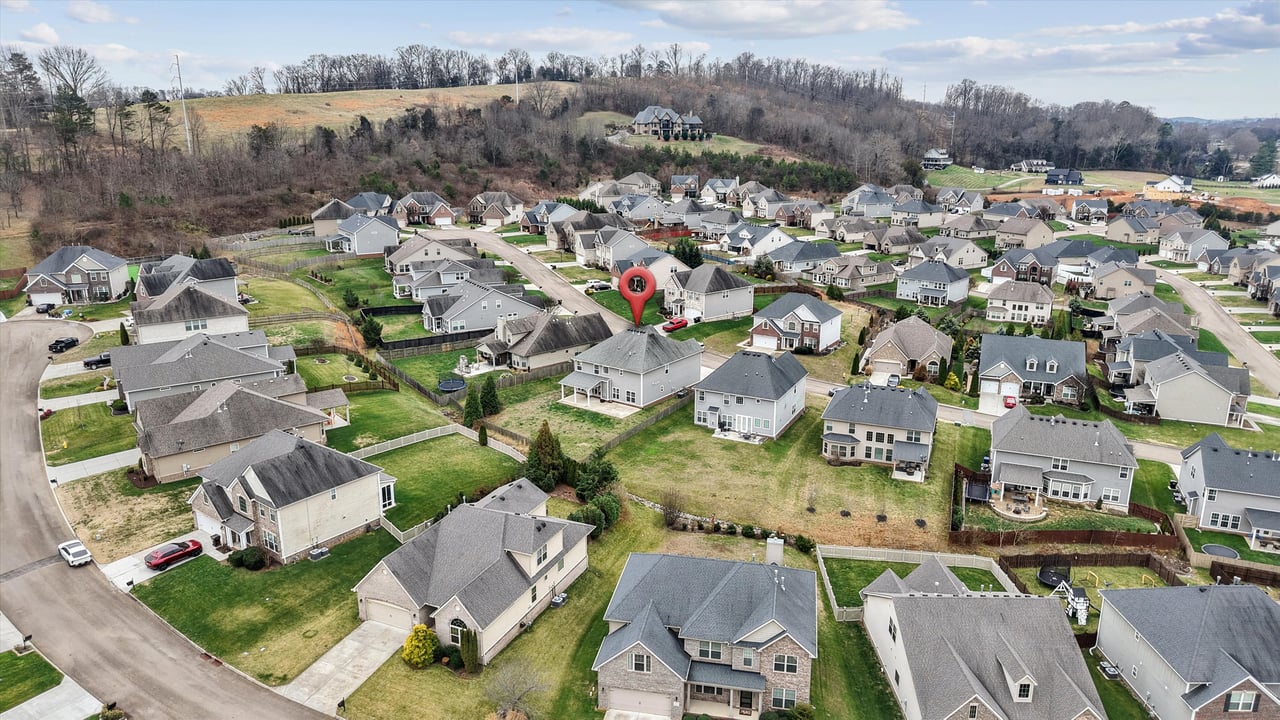
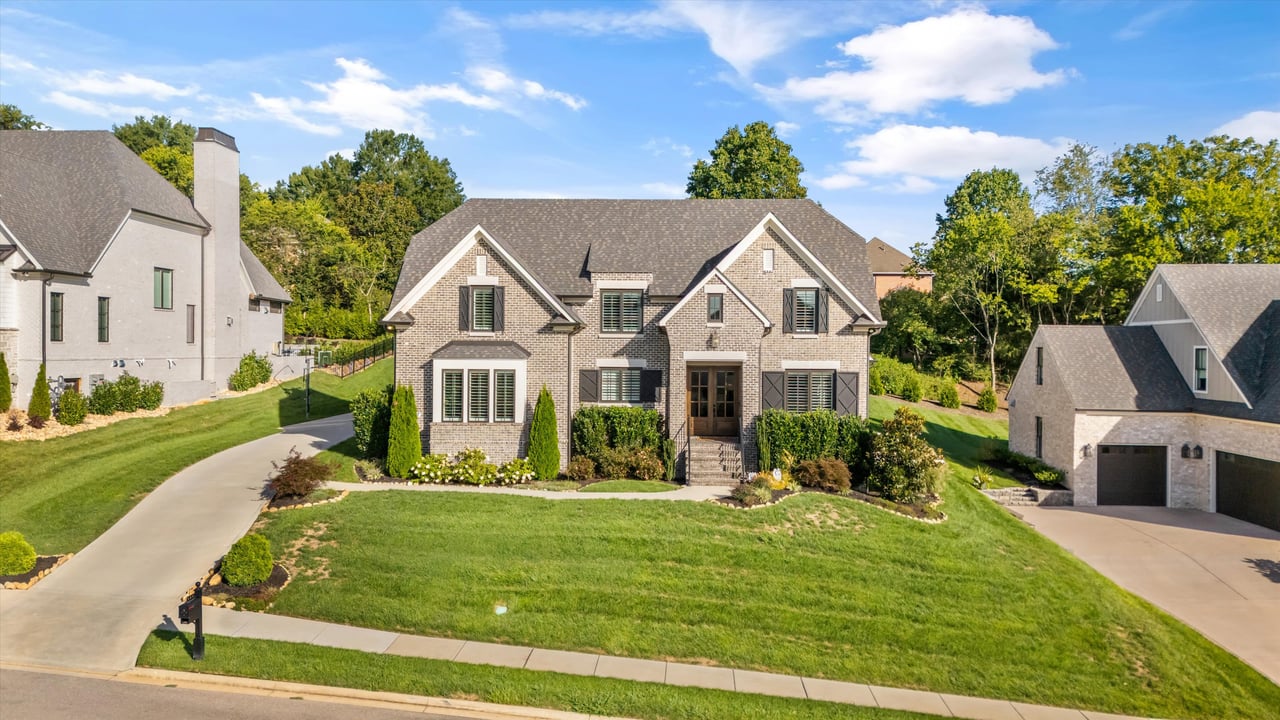
Many homes in the area are built on sloped lots. In some cases the slope is subtle, while in others it can significantly affect how the yard functions.
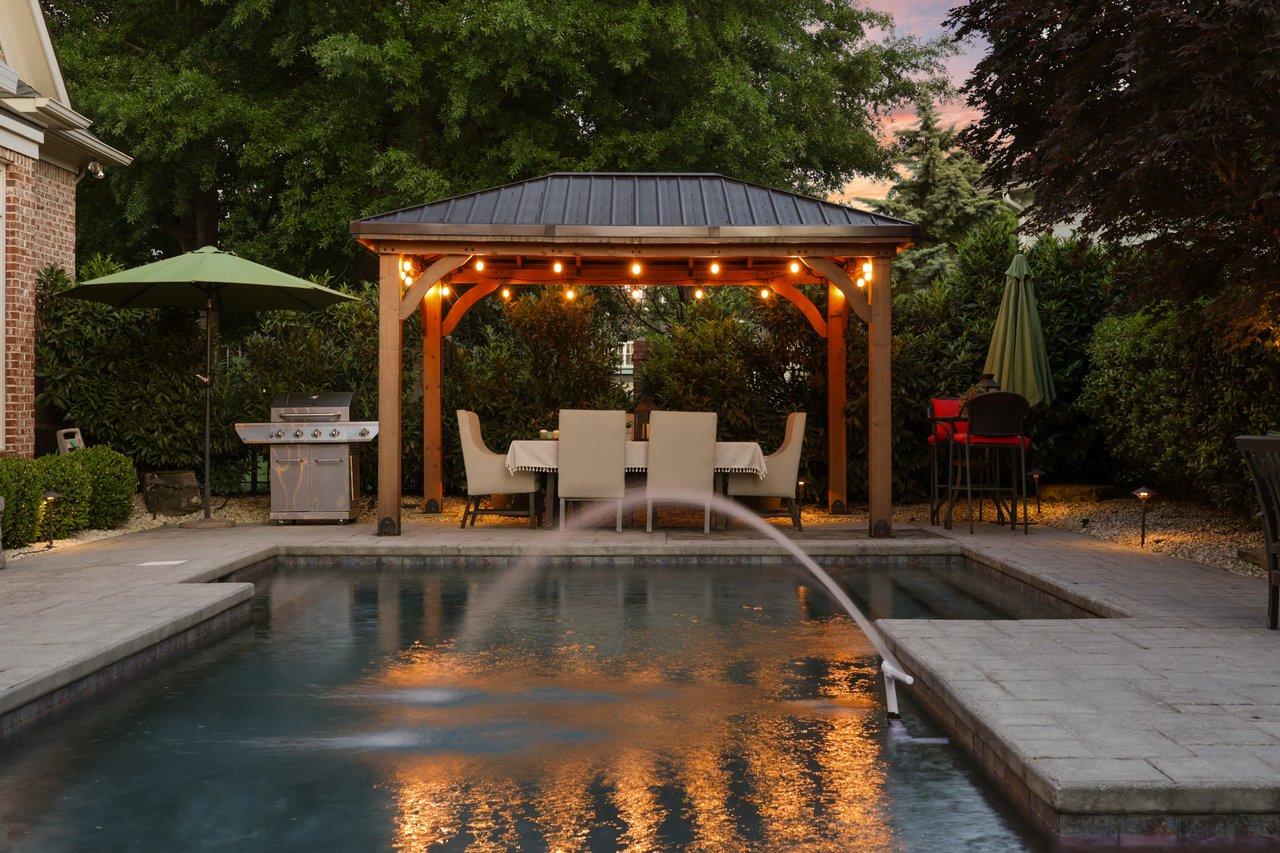
A backyard may appear large in listing photos, but if much of the space slopes away from the house, the portion that can actually be used for activities like entertaining, playing, or outdoor living may be smaller than expected.
Newer construction neighborhoods often feature smaller lots, sometimes under 0.2 acres, which can also affect privacy between homes.
Understanding how the yard actually lives is an important part of evaluating a property.
Learn more in our detailed article: Understanding Yard Slope and Lot Size When Buying a Home in Knoxville
2. Neighborhood Layout and Street Design
The design of a neighborhood can influence daily life more than many buyers expect.
Some communities feature wider streets, longer driveways, and larger setbacks from the road. Others are designed with tighter spacing between homes and may rely more heavily on street parking.
These differences can affect:
• traffic flow
• walkability
• parking convenience
• how comfortable kids are riding bikes or playing outside
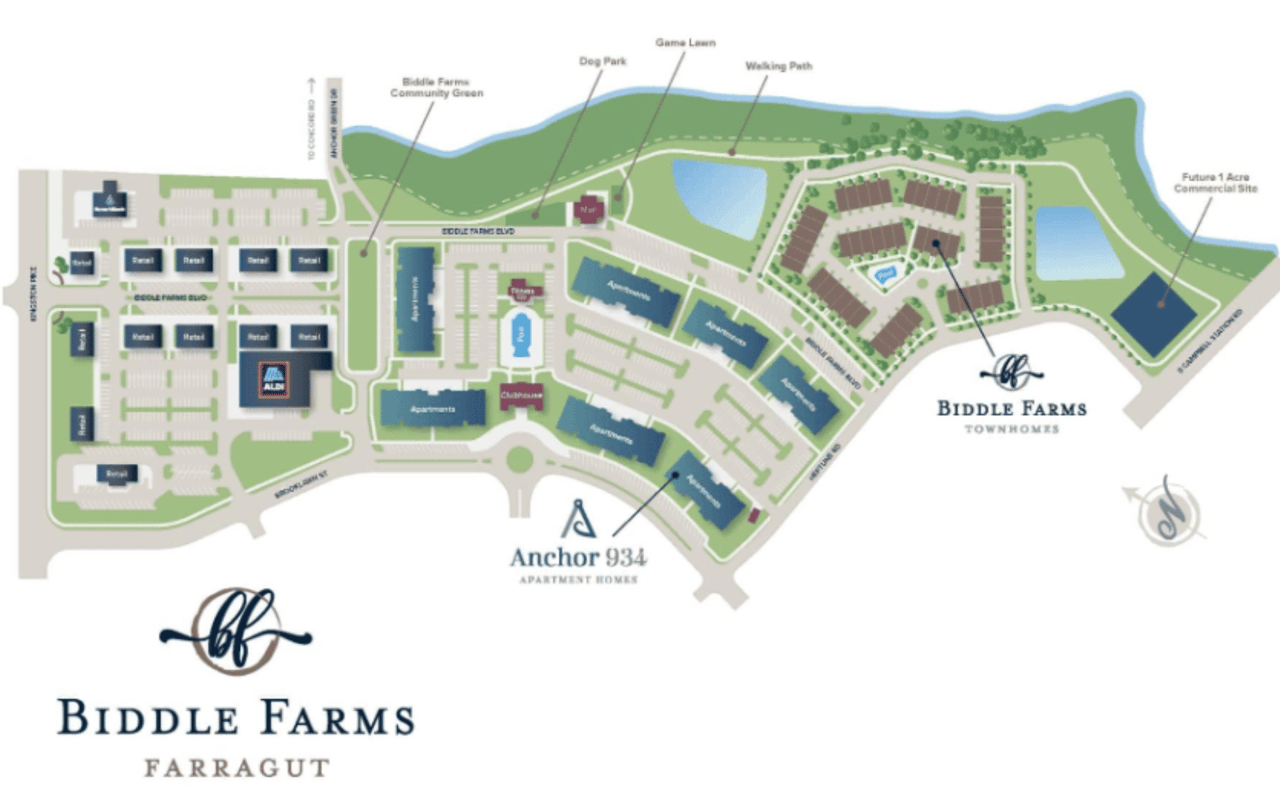
Older neighborhoods in areas like Farragut often provide more spacing between homes, while many newer developments in Hardin Valley prioritize modern home designs and larger interior square footage.
Understanding these tradeoffs can help buyers find a neighborhood that aligns with their lifestyle preferences.
Learn more in our guide: How Neighborhood Design Affects Parking and Livability in Knoxville
3. Flood Risk and Online Flood Scores
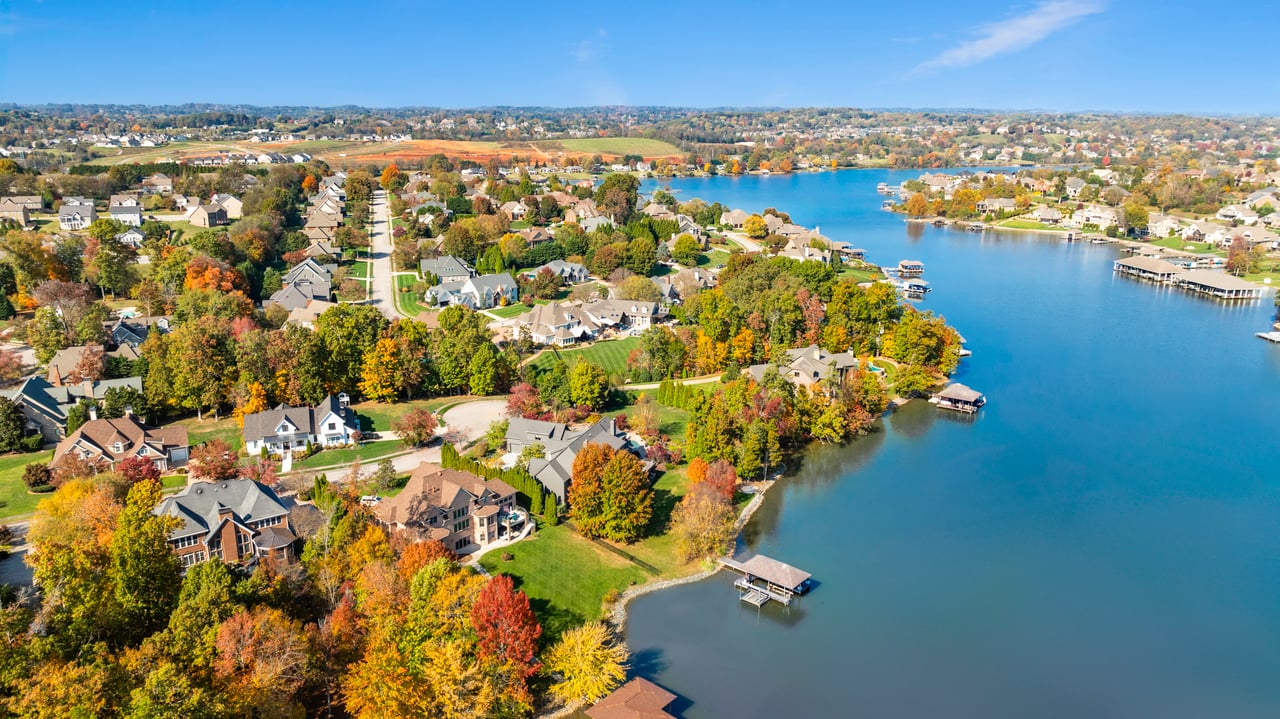
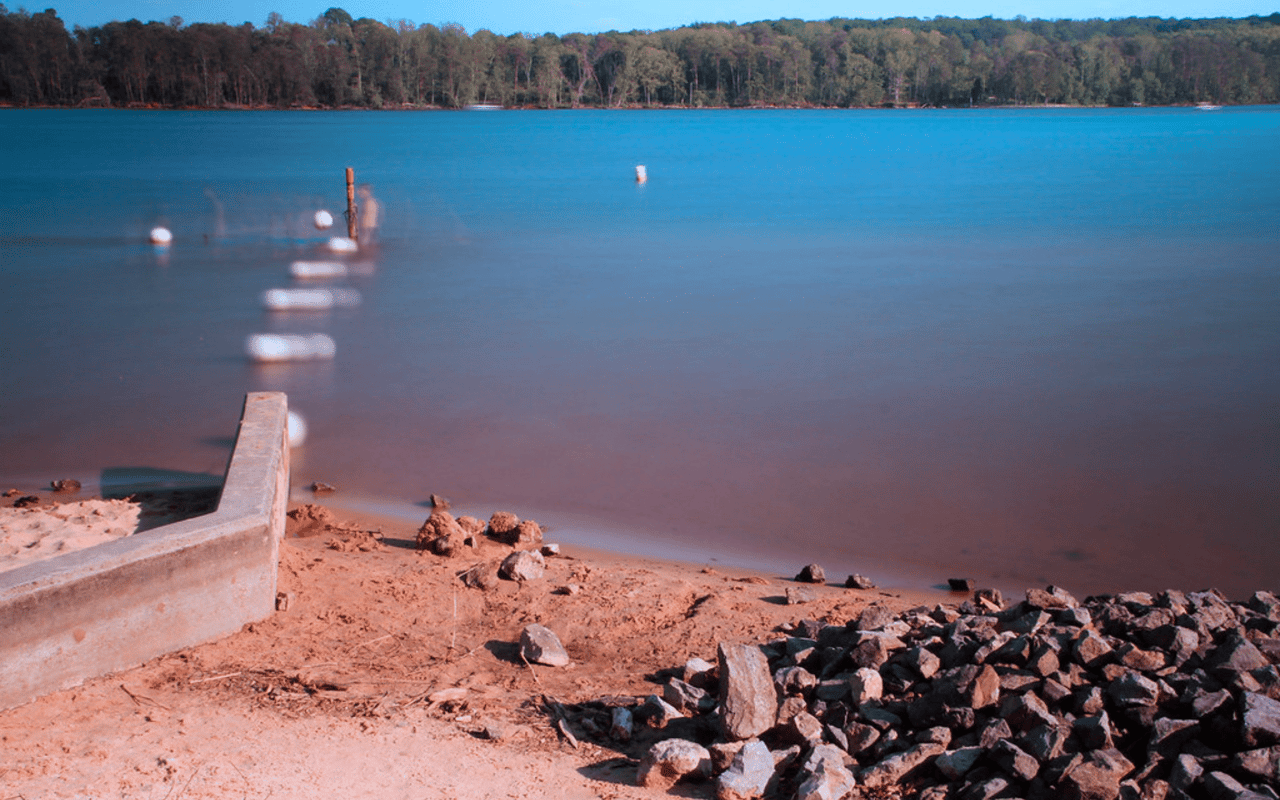
Because Knoxville is known for its lakes and waterways, many buyers naturally ask about flood risk when researching homes.
Online home search platforms often display flood risk scores based on predictive models.
While these tools can provide useful context, the most important factor when evaluating flood risk is the property’s FEMA flood zone designation, which is what lenders and insurance companies use.
Fortunately, most homes in the Knoxville area are not located in regulated FEMA flood zones, even if they are relatively close to water.
Understanding how flood risk is evaluated can help buyers interpret online information more accurately.
Learn more in our article: Flood Zones vs Zillow Flood Scores: What Knoxville Homebuyers Should Know
4. Radon in East Tennessee
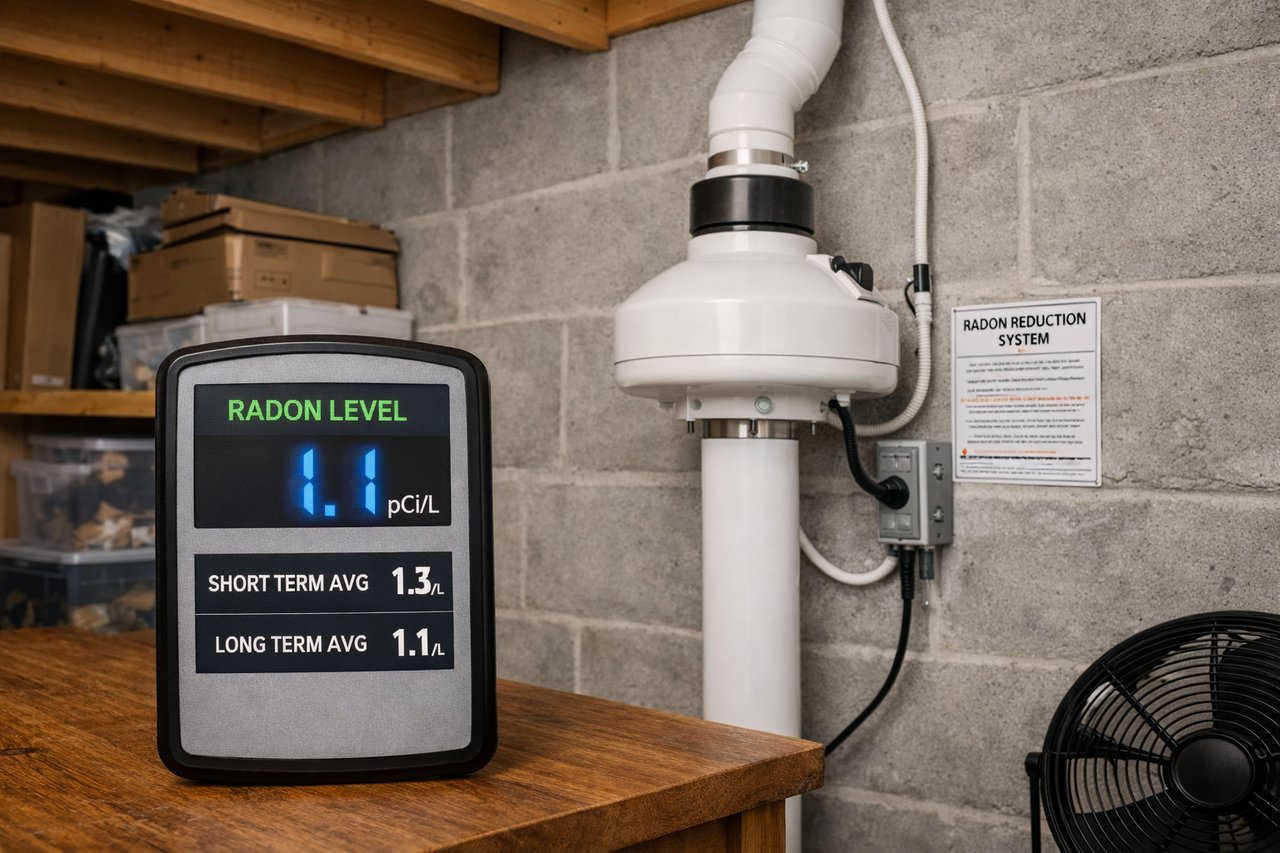
Radon is a naturally occurring gas found in certain geological regions, including parts of East Tennessee.
Because of the area’s geology, radon testing is a common part of the home inspection process for many buyers.
While elevated radon levels can occur, the important thing to understand is that radon mitigation systems are widely available and highly effective.
Testing and mitigation allow buyers to address the issue confidently rather than viewing it as a major obstacle.
Learn more in our article: Radon in East Tennessee: What Homebuyers Need to Know
5. Mail Delivery in Newer Neighborhoods
Many buyers touring newer construction homes notice something unexpected.
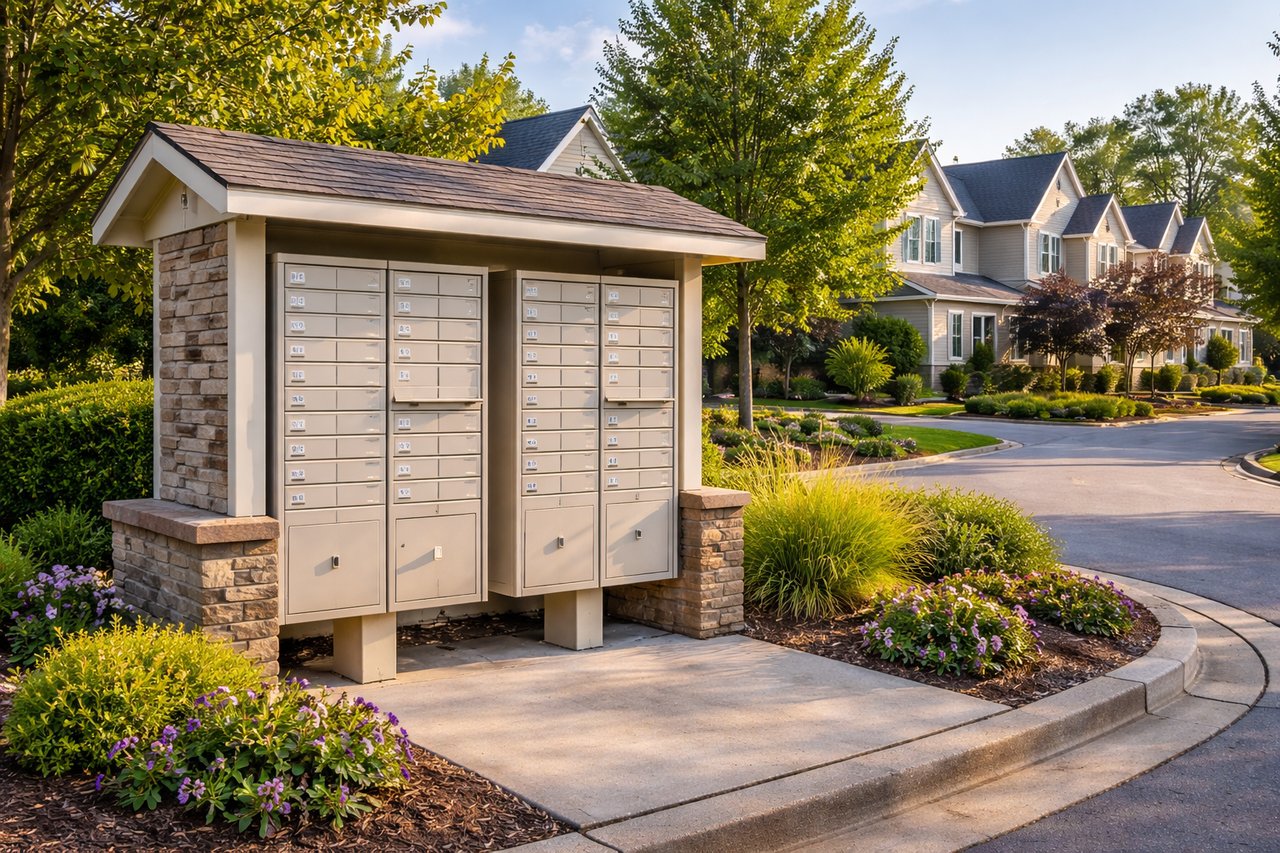
In many newly built communities, individual mailboxes are no longer installed at each home. Instead, neighborhoods use centralized cluster mailbox stations where residents collect their mail.
This change is related to United States Postal Service delivery policies for newer developments and is not tied to the price of the home.
Packages are typically still delivered directly to the residence.
While this detail may seem small, it is something some buyers prefer to know ahead of time when comparing neighborhoods.
Learn more in our article: Why Many New Neighborhoods Use Cluster Mailboxes
6. City vs County Living in Knoxville
Another important consideration when buying a home in Knoxville is whether the property is located inside the City of Knoxville or in Knox County outside city limits.
Homes inside the city typically pay both county and city property taxes but receive municipal services such as city police protection, fire departments, and trash pickup.
Homes outside city limits often have lower property taxes but may receive certain services differently.
For example, fire protection in some county areas is provided through a subscription-based service called Rural Metro Fire.
Understanding these differences can help buyers evaluate costs and services more clearly.
Learn more in our article: City vs County Living in Knoxville: Taxes, Services, and Fire Protection
7. Understanding Taxes in Knoxville
Taxes are another factor that often surprises buyers relocating to Knoxville.
Overall, Tennessee is considered a very tax-friendly state, which is one reason the Knoxville area continues to attract people from higher-tax regions of the country.
A few key things to know:
No State Income Tax
Tennessee does not tax wages, retirement income, or investment income at the state level. For many households relocating from states like California, Illinois, or New York, this can significantly increase take-home income.
Property Taxes Are Relatively Low
Property taxes in East Tennessee are generally lower than the national average. However, rates vary depending on the county where the home is located.
Buyers looking around Knoxville commonly consider homes in:
• Knox County
• Loudon County
• Blount County
Each county uses Tennessee’s standard property tax formula, where residential property is assessed at 25% of the home’s value, and the county tax rate is applied to that assessed value.
City vs County Taxes
Another important distinction is whether a home is located inside or outside city limits. Homes inside city boundaries may pay both city and county taxes, while homes outside city limits typically only pay county taxes.
Sales Taxes
Tennessee makes up for lower income and property taxes through higher sales taxes, which currently total around 9.25% in Knoxville.
Because of these different layers, it can be helpful to understand how the numbers work together when estimating the long-term cost of owning a home.
If you'd like a deeper explanation of how property taxes are calculated and how Knox, Loudon, and Blount counties compare, you can read our full guide here: Taxes in Knoxville: State, County, and Sales Taxes Explained
8. Understanding Traffic and Commuting in Knoxville
As Knoxville has grown and become an increasingly popular relocation destination, traffic is something buyers often ask about. While the region does experience congestion in certain areas and at certain times of day, the overall driving experience is still very manageable compared with larger metropolitan areas.
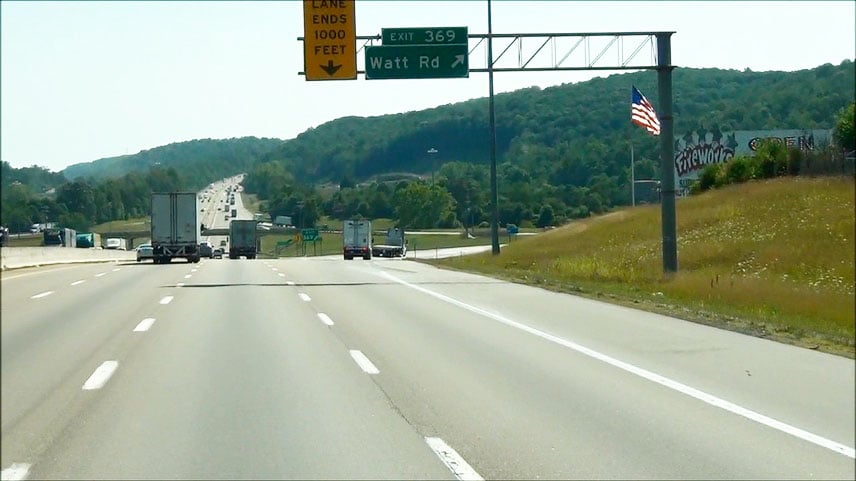
Several major roadways shape how people move around the region. Interstate 40 runs east–west through Knoxville and serves as a major corridor for both local commuters and long-distance truck traffic. Because it carries national freight traffic, backups can occasionally occur near downtown where the interstate curves and multiple interchanges converge.
Another important roadway for many West Knoxville residents is Pellissippi Parkway, which connects Maryville, Knoxville, Hardin Valley, and Oak Ridge. It is also a key route for reaching McGhee Tyson Airport (TYS). For much of the day traffic flows smoothly along this corridor, although rush hour slowdowns can happen during peak commuting times.
Rapid growth in areas like Hardin Valley has created additional pressure on local roads such as Hardin Valley Road, where residential development has expanded faster than infrastructure in recent years. Fortunately, roadway improvements and widening projects are already planned to help address these challenges.
In established areas such as Farragut and Bearden, roads like Kingston Pike and Parkside Drive can become busy around shopping centers, schools, and evening commute hours. Outside of those peak periods, traffic generally moves well.
The key takeaway for most buyers is that traffic in Knoxville is location-dependent rather than constant. Testing a commute during realistic driving hours before purchasing a home can be a helpful step when evaluating different neighborhoods.
For a deeper look at Knoxville traffic patterns, key commuting routes, and planned infrastructure improvements, you can read our full guide: Is Traffic in Knoxville Really That Bad?
9. Researching Schools in West Knoxville
For many homebuyers, especially families relocating to the area, schools play an important role in deciding where to live.
West Knoxville includes several highly sought-after communities such as Farragut, Hardin Valley, and Bearden, each served by different public school clusters and offering access to a variety of educational options.
Most students in the area attend Knox County Schools, where school assignments are based on the zoning of the home address. Because zoning can influence buyer demand and long-term resale value, many buyers begin their home search by understanding which neighborhoods fall within particular school boundaries.
In addition to public schools, Knoxville also offers a number of private school options along with specialized magnet programs within the public school system.
A newer factor influencing how some families evaluate school options is the Tennessee Education Freedom Scholarship, which provides eligible students with state-funded scholarships that can be applied toward private school tuition and educational expenses.
Because education choices can affect both lifestyle and housing decisions, many buyers find it helpful to research school options early in the home search process.
To learn more about how to research school zones, compare West Knoxville school areas, and understand available education options, read our full guide: How to Research Schools When Buying a Home in West Knoxville
10. Airport Access and Travel Convenience
For many buyers relocating to the Knoxville area, another practical factor to consider is airport access. Knoxville is served by McGhee Tyson Airport (TYS), which is located just south of the city near Alcoa.
While it’s not a major airline hub, many residents find the airport experience surprisingly convenient compared with larger metropolitan airports. The terminal is relatively compact, security lines are typically shorter, and parking tends to be easier and less expensive than at major hub airports.
Most parts of West Knoxville are also fairly close to the airport. Communities such as Farragut, Hardin Valley, and Bearden are typically about 15 to 25 minutes away, often accessed via Pellissippi Parkway.
Because TYS is a regional airport, many trips require a connecting flight through a larger hub such as Atlanta, Charlotte, or Dallas. In exchange, travelers often enjoy a much simpler airport experience with shorter walking distances and quicker curb-to-gate times.
For a closer look at airlines, destinations, parking options, and what travelers should expect when flying out of Knoxville, you can read our full guide: Flying In and Out of Knoxville: What to Know About McGhee Tyson Airport
11. The Impact of the University of Tennessee
Another factor that shapes Knoxville in meaningful ways is the presence of the University of Tennessee.
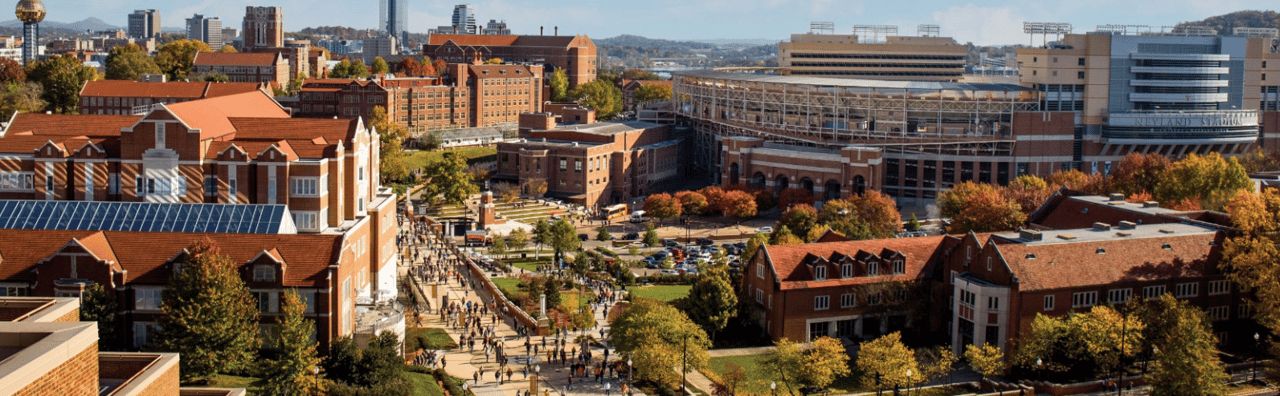
The University of Tennessee, Knoxville enrolls more than 40,000 students and plays a major role in the region’s economy, culture, and housing market.
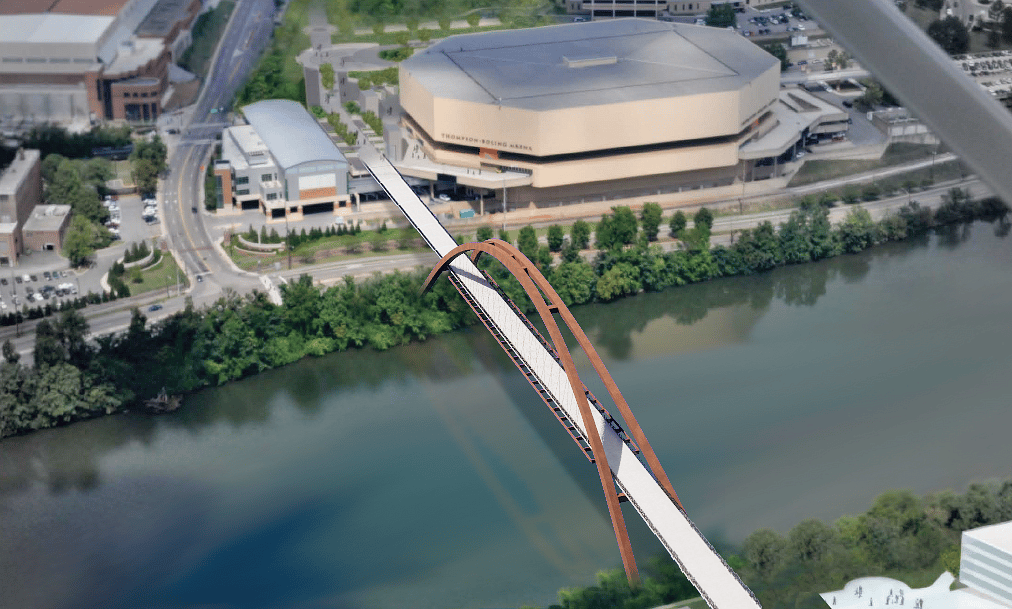
UT brings a tremendous amount of energy to Knoxville through athletics, research, cultural events, and campus life. Major sporting events, particularly football games at Neyland Stadium, regularly draw visitors from across the country.
The university also influences the local housing market. Because many students move off campus after their freshman year, demand for nearby apartments, condos, and rental homes remains strong. Some families even choose to purchase property for their students to live in during their time at UT.
If you're considering living near campus or investing in property connected to the university, it's helpful to understand how UT shapes Knoxville’s housing dynamics.
Read our full guide: What Homebuyers Should Know About the University of Tennessee in Knoxville
Thinking About Buying a Home in Knoxville?
Buying a home in Knoxville involves more than comparing listings online. Factors like lot layout, neighborhood design, environmental considerations, and local service structures can all influence how well a property fits your lifestyle.
The best way to fully understand these details is to walk through them with someone who knows the local market well.
If you're considering buying a home in the Knoxville area, feel free to reach out to our team at Sold With Sinclair. We’re always happy to answer questions, evaluate properties with you, and help you make confident decisions during the home search process.