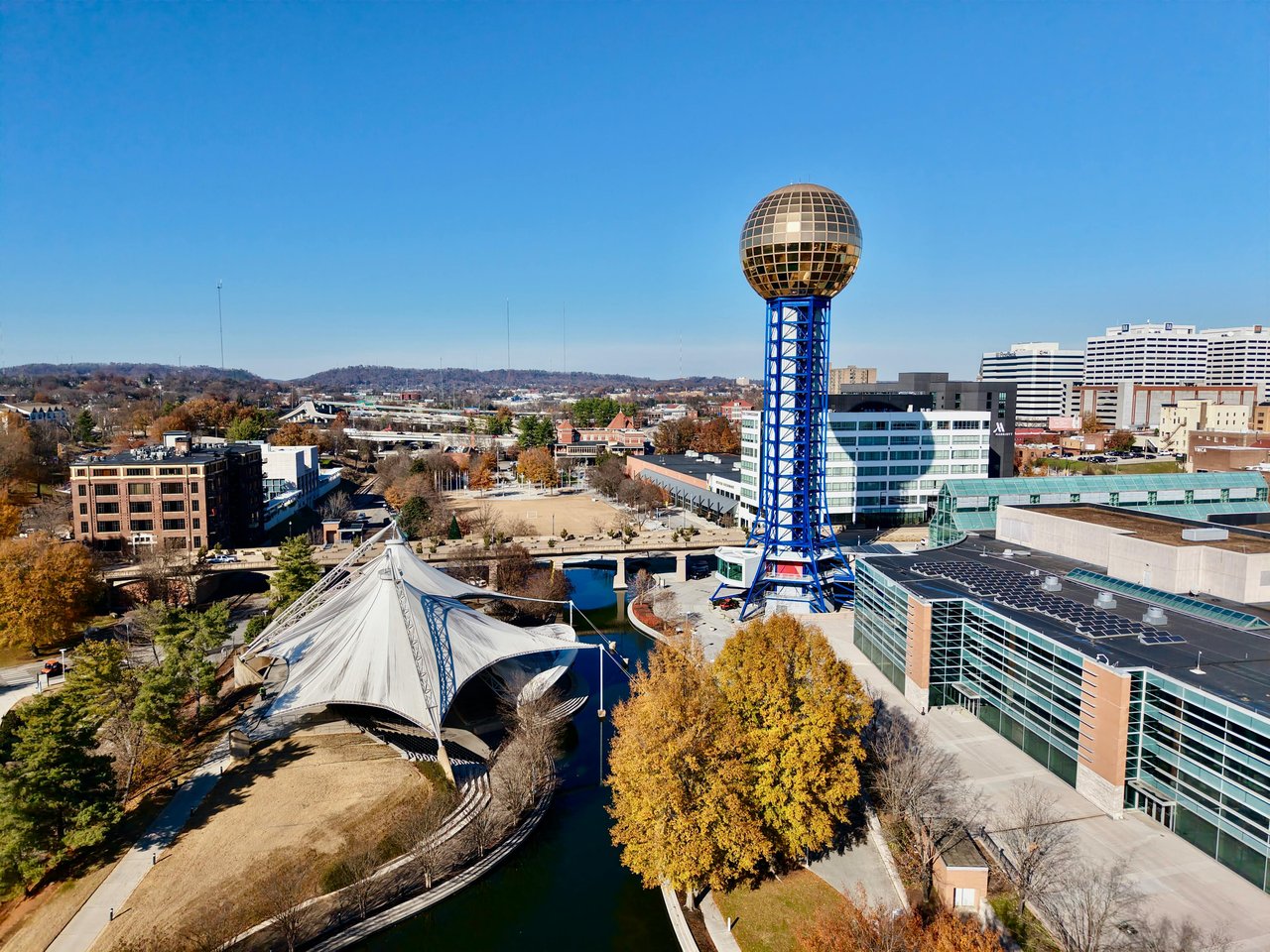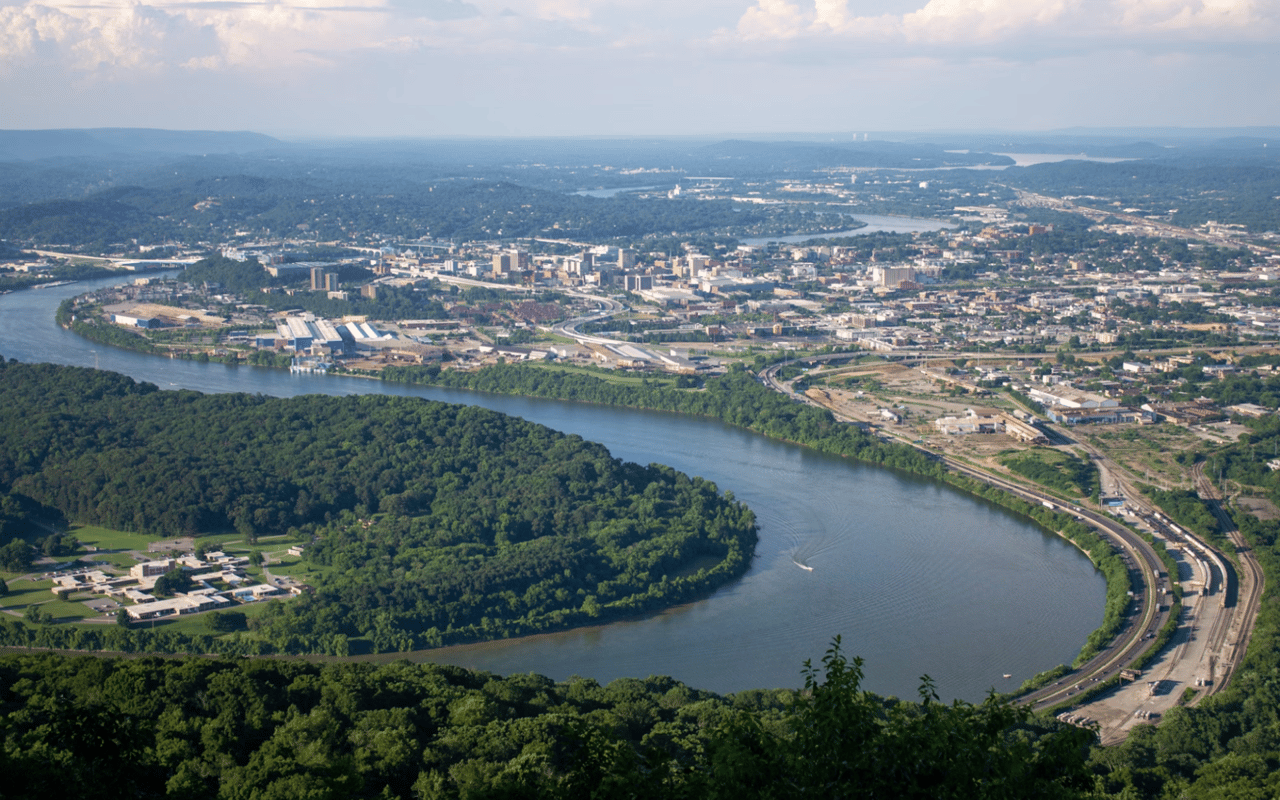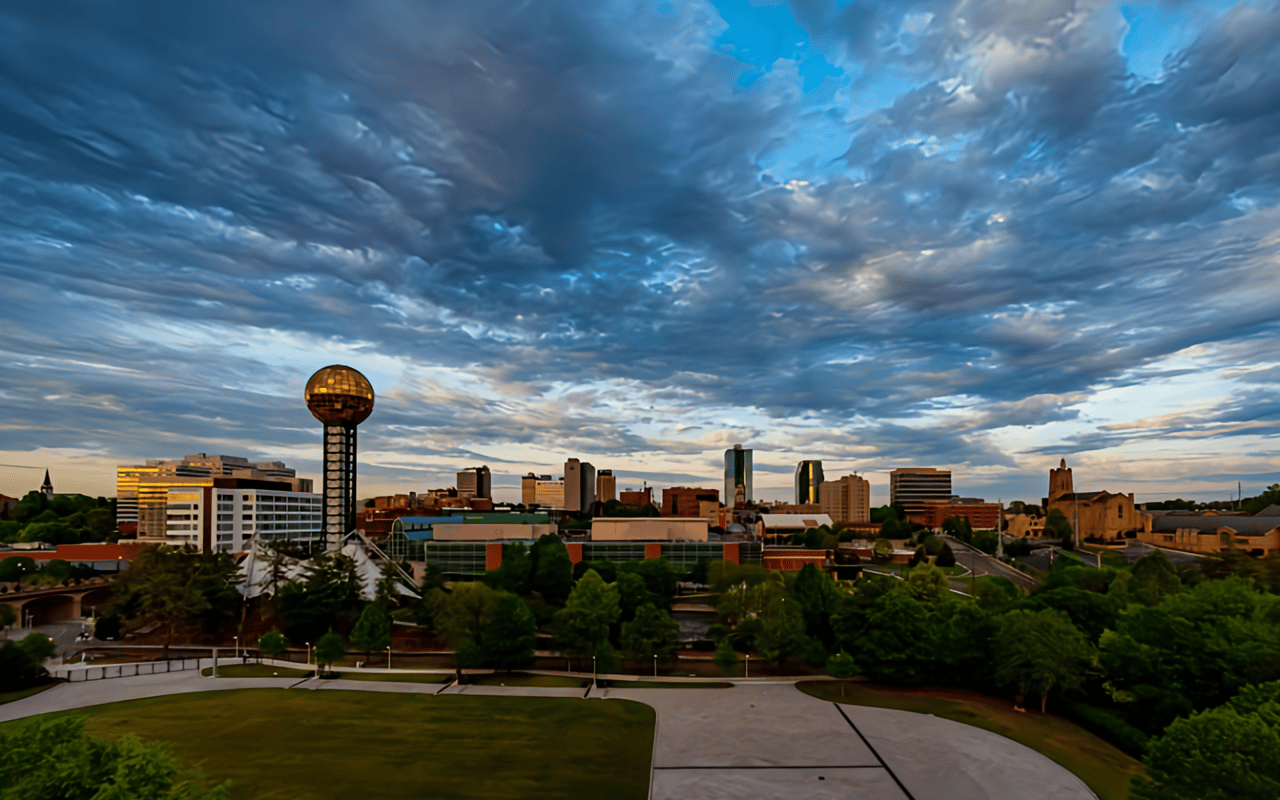
Walkability has become a more frequent topic among buyers considering Knoxville, particularly those relocating from larger, denser metros. While Knoxville is not a walking city in the same way as Chicago or DC, recent investments show a clear effort to improve connectivity, livability, and access to public spaces.
For downtown Knoxville, two major bridge projects illustrate where the city is headed.
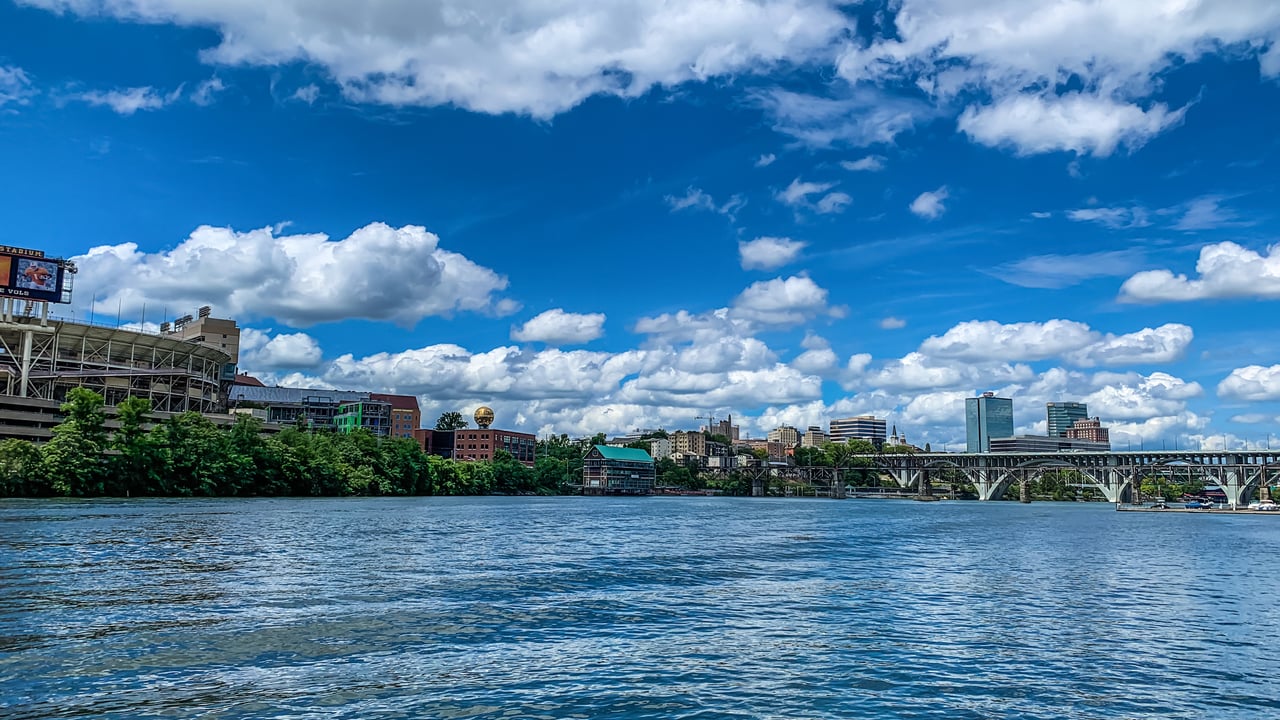
Gay Street Bridge: Reopened for Pedestrians and Bicycles
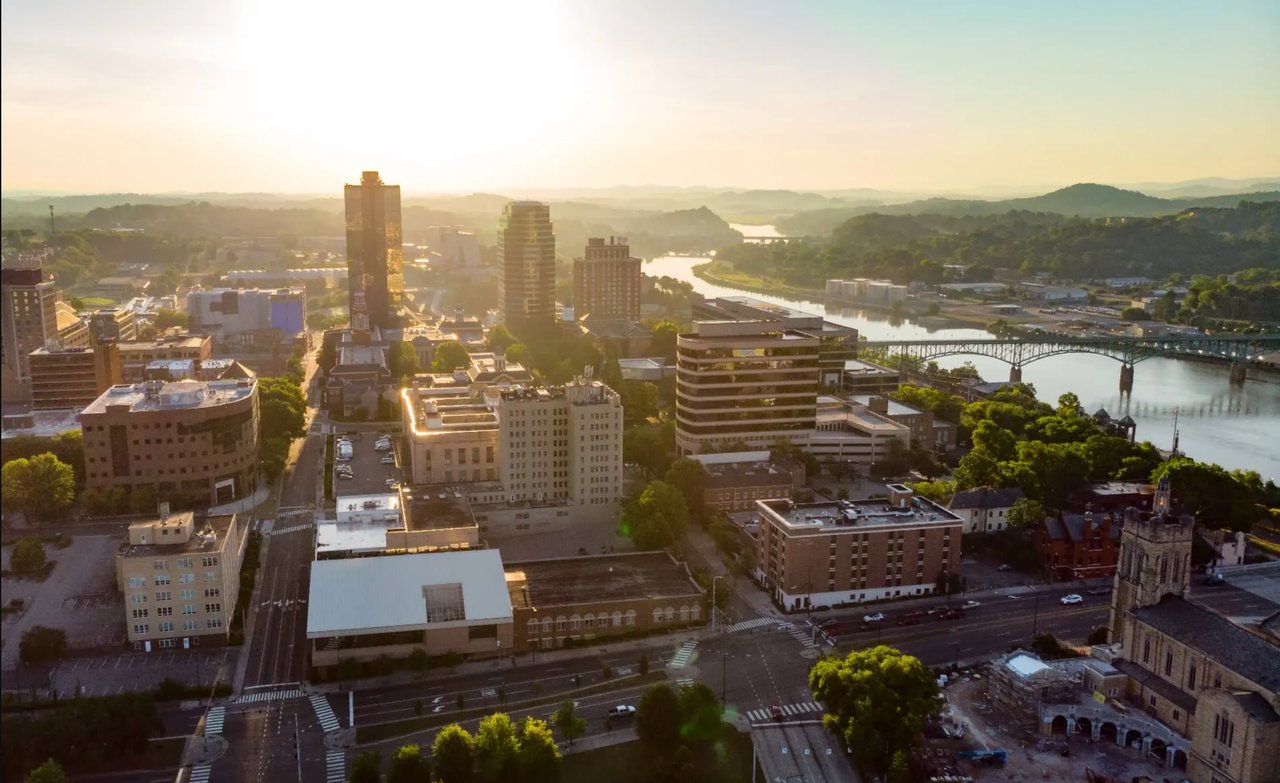
After extensive stabilization work, the Gay Street Bridge reopened in December 2025 as a pedestrian and bicycle-only crossing. Rather than restoring vehicle traffic, the city chose to prioritize people on foot and bike, strengthening the connection between downtown Knoxville and the South Waterfront.
This matters because it improves how residents and visitors experience downtown. Walkable access to Market Square, festivals, riverfront parks, and employment centers directly impacts livability, not just convenience. For buyers considering downtown living, this type of infrastructure adds real lifestyle value.
A New Pedestrian Bridge: The Bigger Long-Term Story
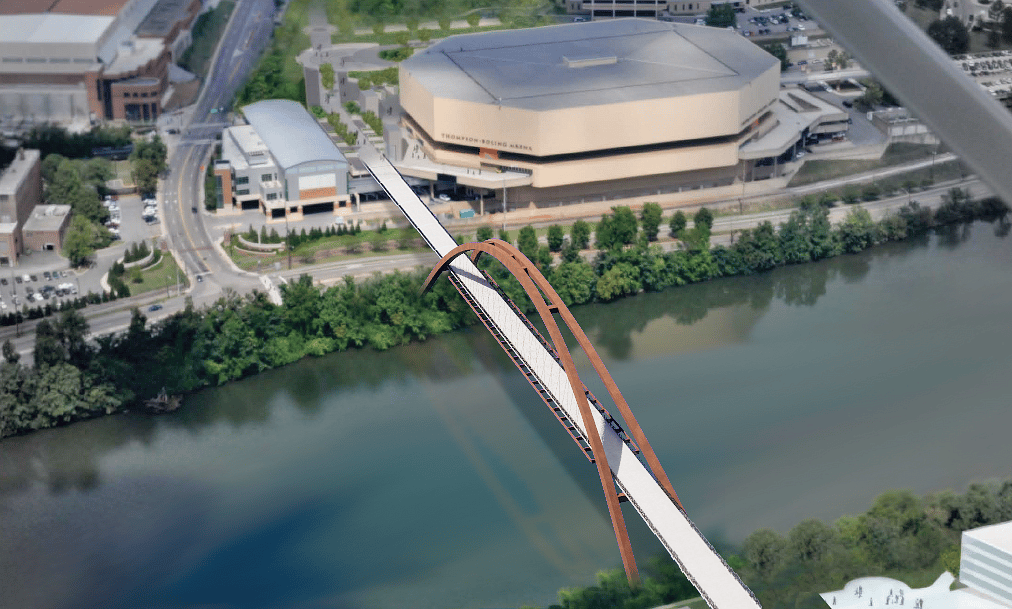
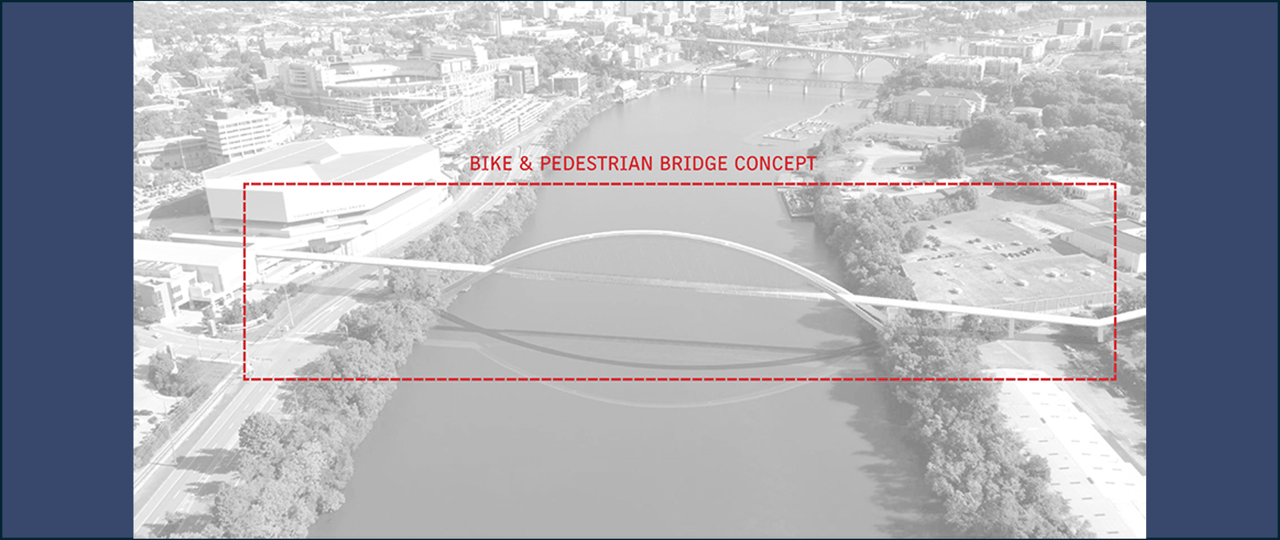
Separate from the Gay Street Bridge, Knoxville is also moving forward with a new South Waterfront Pedestrian and Bicycle Bridge. This project is designed to further connect downtown, the South Waterfront, and surrounding neighborhoods across the Tennessee River.
After a period of funding uncertainty, the city confirmed that federal grant funding remains in place and planning is continuing. If completed as envisioned, this bridge has the potential to reshape how people move between key activity centers and reinforce long-term demand in nearby areas.
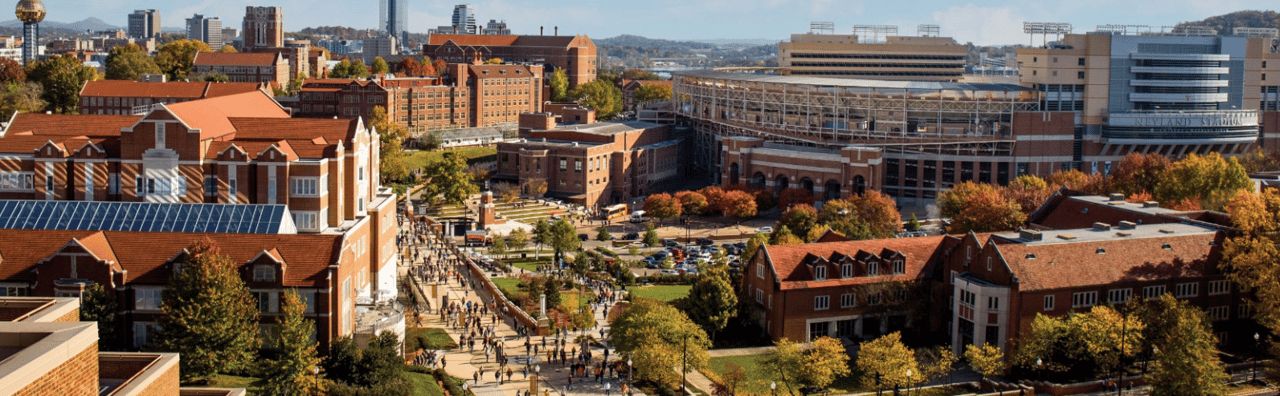
The planned Bridge could also help address one of Knoxville’s ongoing challenges — limited student housing — by making housing south of the river a more practical and appealing option for UT students through improved walkable connectivity.
For real estate, this is not just a construction update. Infrastructure like this influences where people want to live, how neighborhoods evolve, and which areas see sustained interest over time.
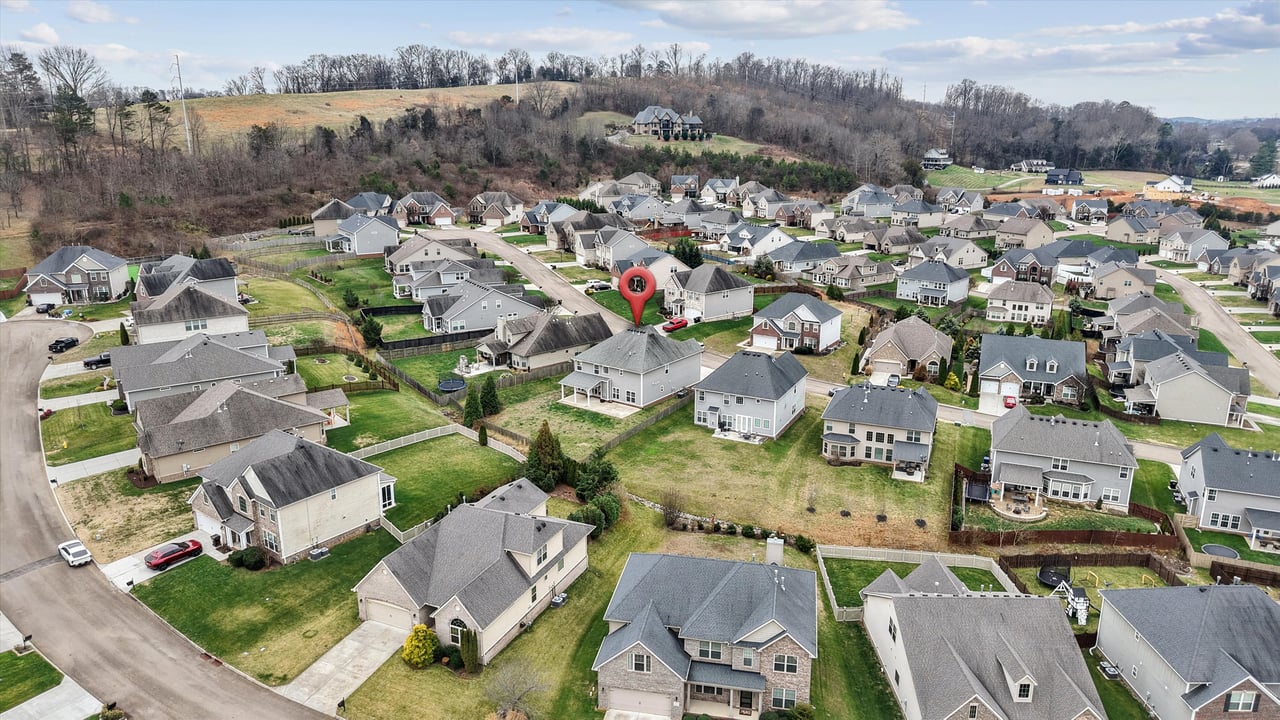
And What About Walkability in Farragut?
Farragut presents a very different walkability profile, and it’s important to be realistic about that.
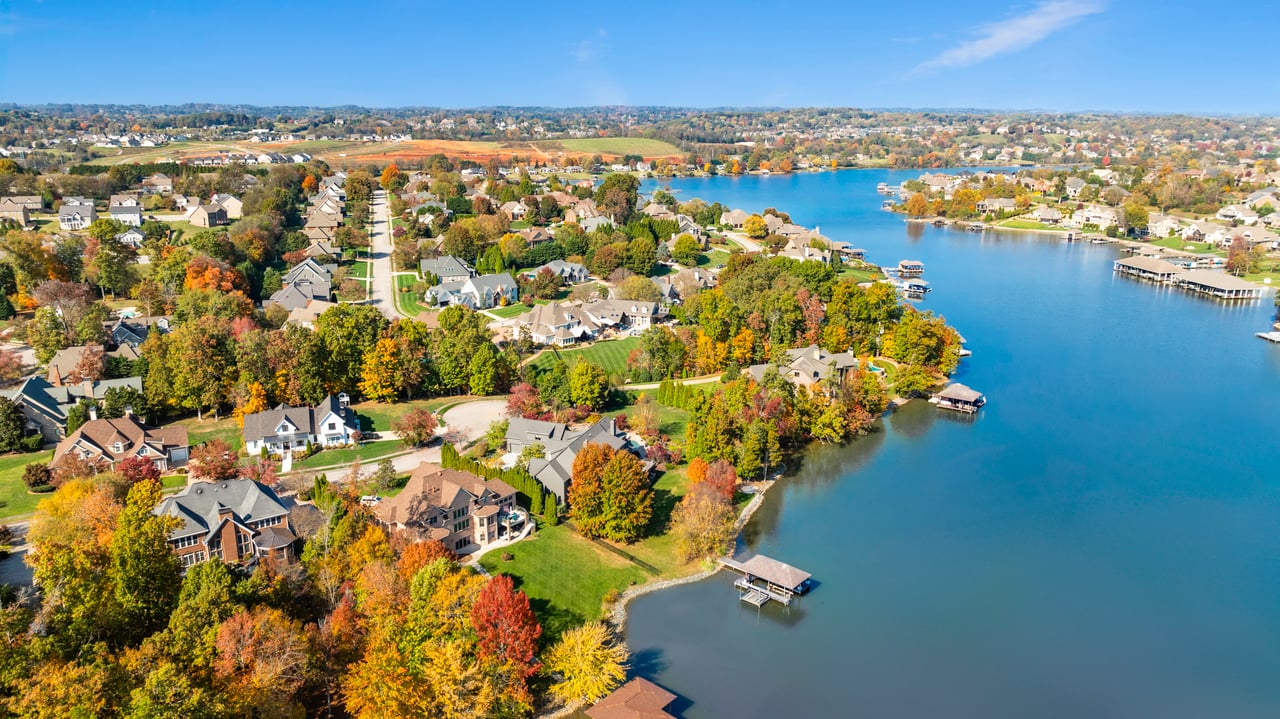
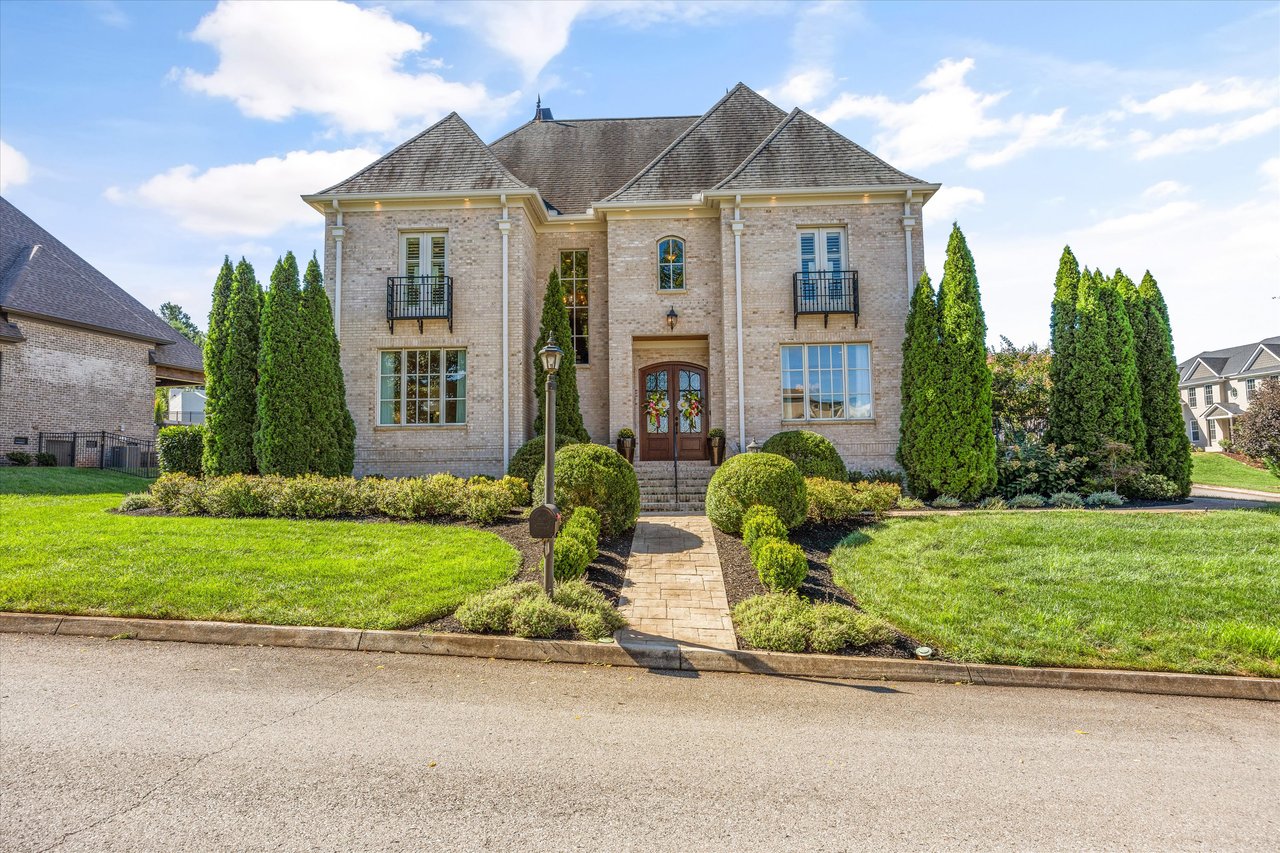
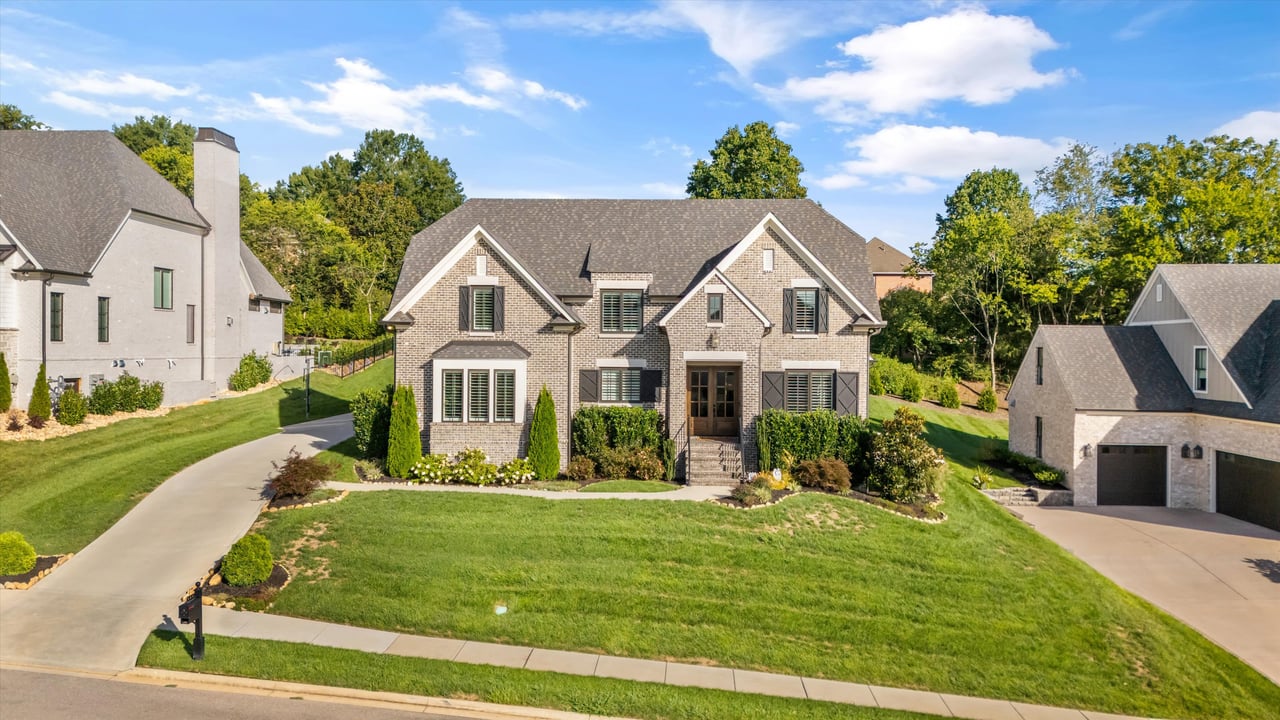
Farragut remains largely car-dependent, and increased traffic along major corridors is a real concern for residents. At the same time, the town has been intentional about balancing growth with quality of life.
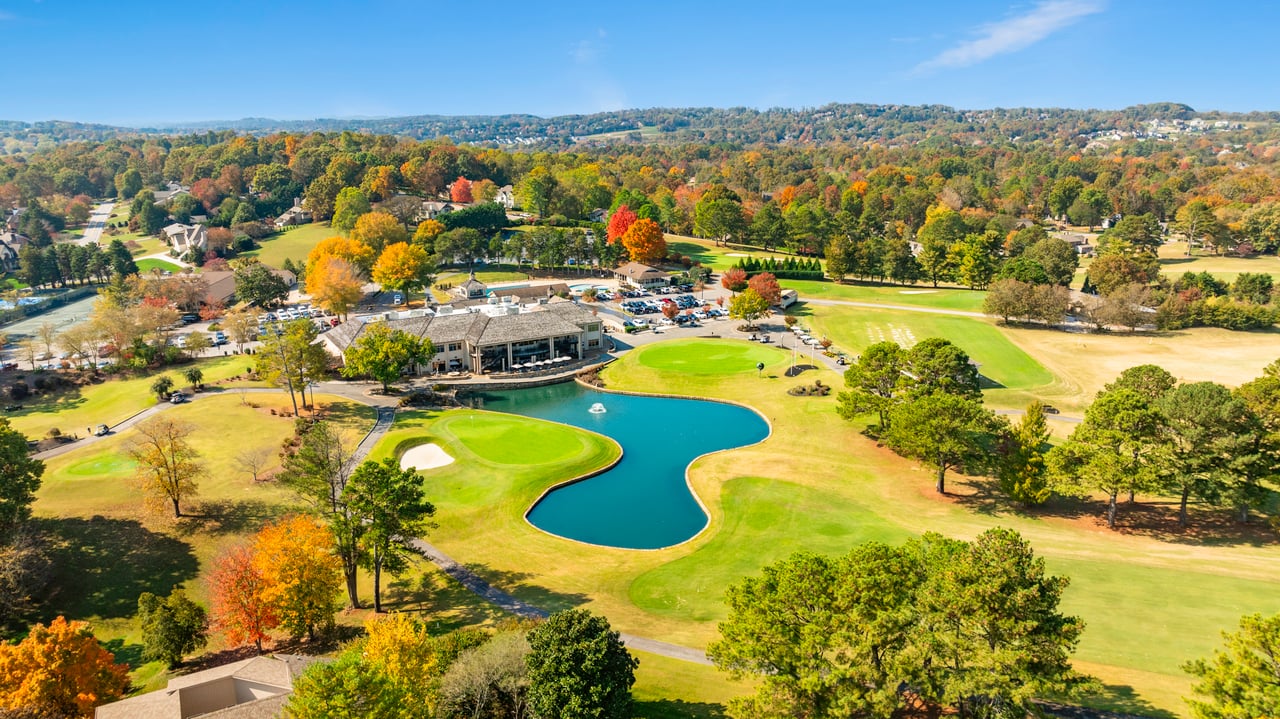
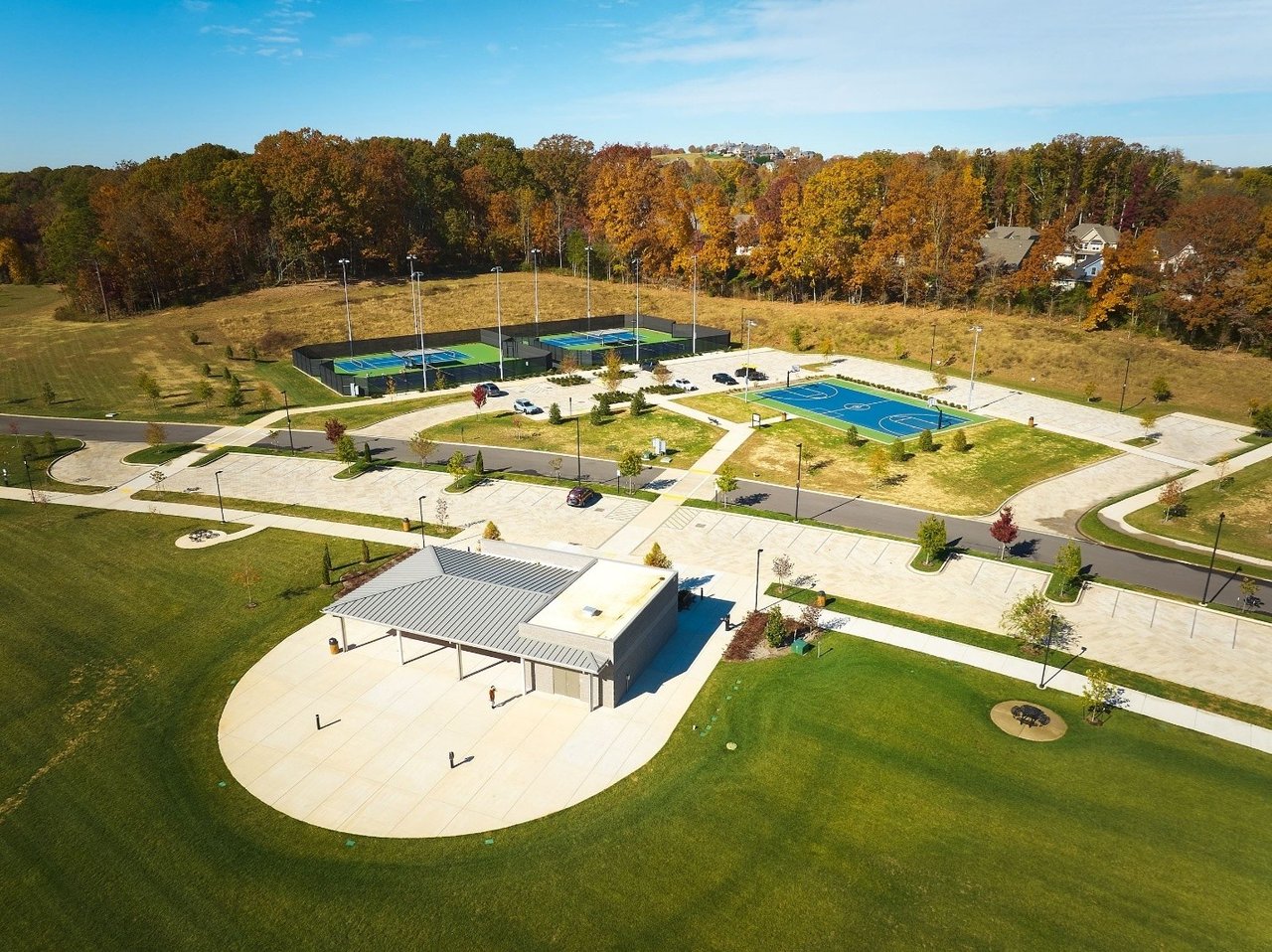
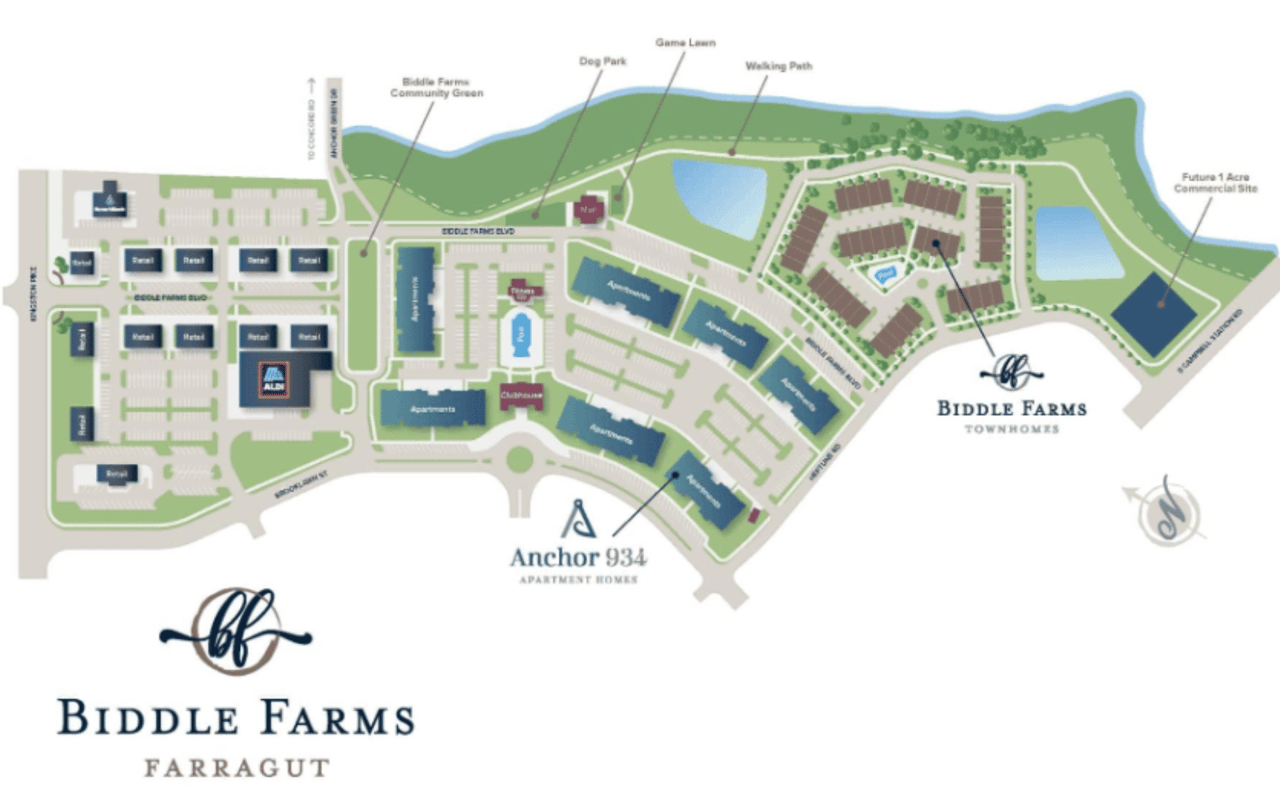
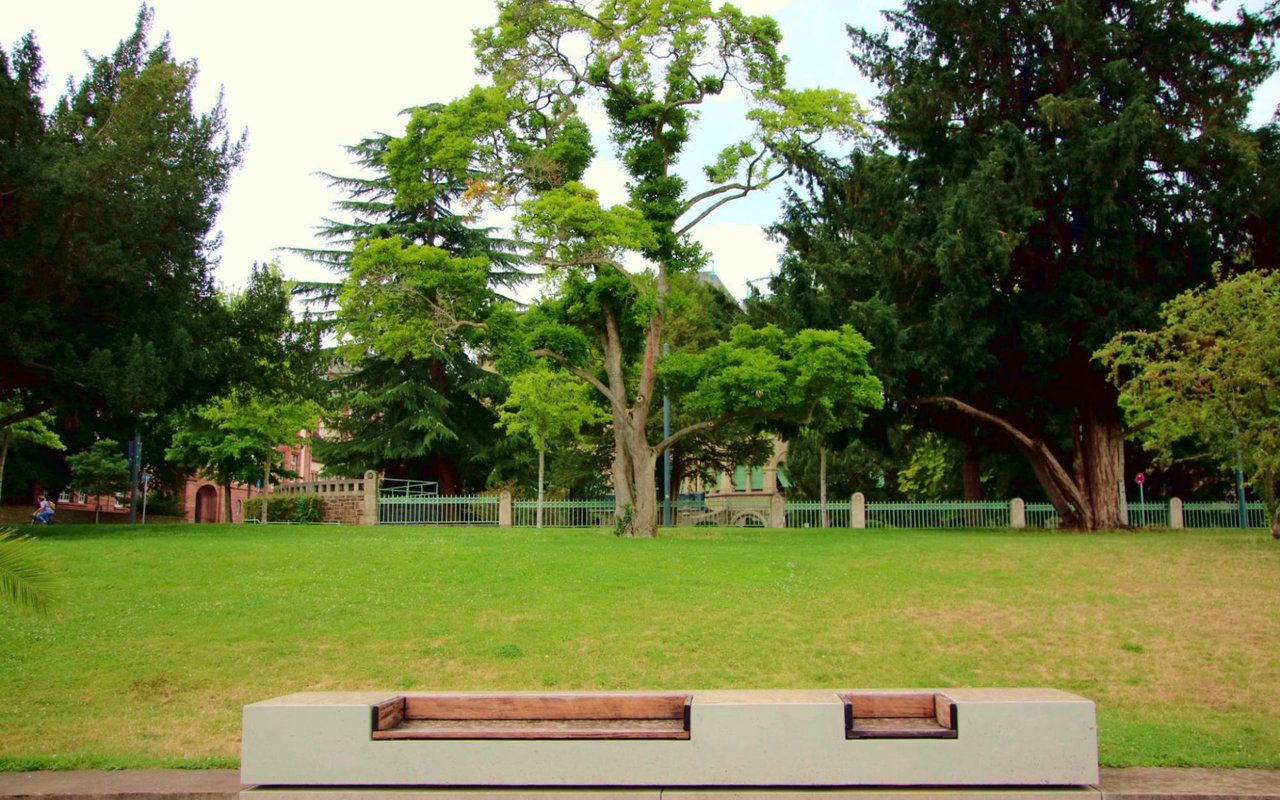
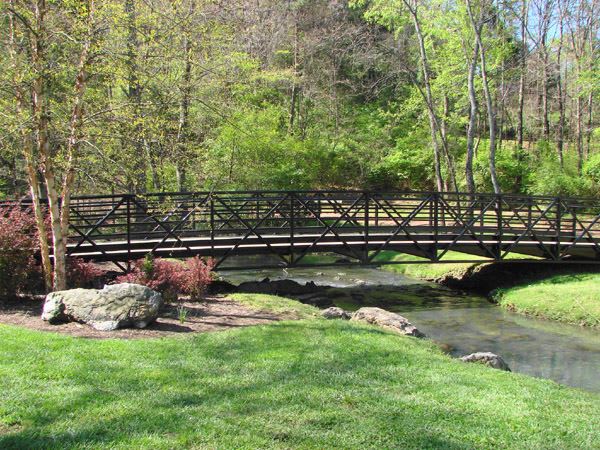
Ongoing investment in parks, greenways, and recreational spaces supports everyday walkability for exercise, families, and outdoor enjoyment. In addition, town-center style developments such as Biddle Farms reflect a shift toward creating local gathering places where dining, retail, and community life are more concentrated and accessible.
The takeaway is this - Knoxville’s urban core is investing in true point-to-point walkability and connectivity. Farragut is enhancing livability through parks and town centers while remaining primarily car-oriented. Neither is “better” across the board, but the distinction matters when aligning lifestyle expectations with location.
Check out our recent Instagram video where Seth and Lisa speak to walkability in Knoxville.